
2 September 2026
Who Does What on a Liverpool Kitchen Fit: The Trades, the Order and Who Books Them
A new kitchen looks like one job when you are standing in a showroom and about six jobs by the second week. Most Liverpool kitchens need five or six separate trades, two of them doing work that is legally restricted, and they have to arrive in an order that nobody explains at the point of sale. Get the order right and a standard fit runs 10 to 15 working days. Get it wrong and the same kitchen takes a month, because a plasterer who turns up before the electrician has to come back, and a worktop templater who turns up before the units are level has to come back too. Here is who actually does what, and where the money and the delays hide.
A Kitchen Fitter Is Not a Single Trade

The person most people mean by kitchen fitter is a joiner. Their job is the carcasses, the levelling, the scribing to walls that are never straight, the doors and drawers, the end panels, the plinths, the cornice and the laminate worktops if you are having them. That is skilled work and it is the part you look at every day for the next fifteen years.
What it is not is plumbing, wiring, gas or plastering. Some fitters hold a second ticket and can genuinely do more, and plenty are comfortable connecting a sink and a washing machine to existing services. The distinction that matters is between connecting to what is already there and altering what is already there.
On a straight swap in a Woolton semi where the sink stays under the window and the cooker stays in the corner, that distinction barely bites. On a kitchen renovation where the layout changes, it decides your whole programme, because every alteration pulls in a trade with a certificate attached.
Strip Out: The Day That Creates Half the Surprises
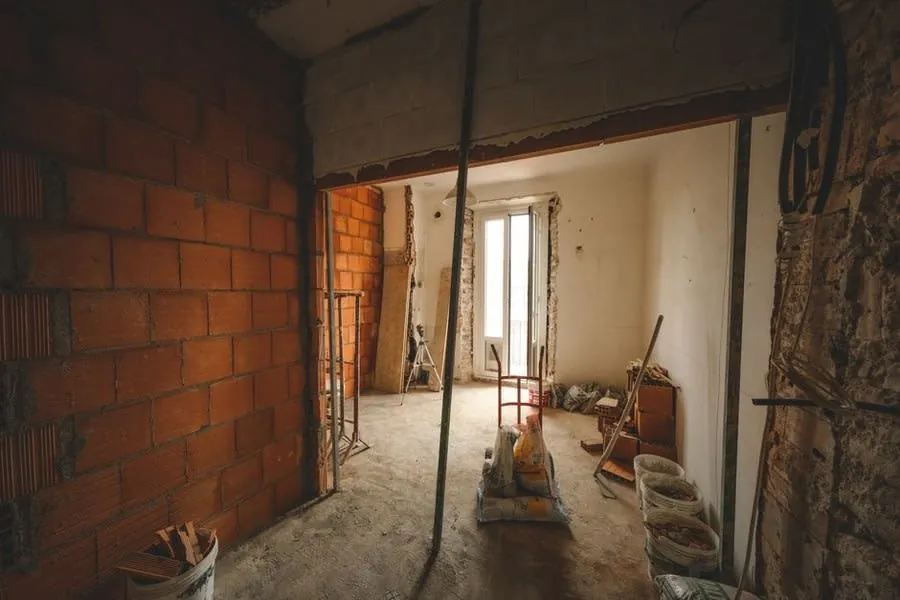
Strip out is usually the fitter plus a labourer, and it is the cheapest day of the job and the most informative. Behind Liverpool’s older units you find things: a soil pipe boxed in where the new tall unit was going, a chimney breast that was only ever half removed, plaster that comes off with the tile adhesive because it is lath and plaster underneath, and in the pre-1919 terraces a wall that is solid nine inch brick with no cavity, which changes how anything gets chased or fixed.
None of that is a disaster. All of it is cheaper to find on day one than on day nine.
The gas engineer needs to have capped off before this day, not during it. That is the single most common sequencing mistake on a self managed job.
Waste is the other thing people underestimate. A full kitchen strip out fills a six yard skip comfortably, and on the terraced streets around Kensington, Wavertree and Walton there is often nowhere to put one except the road, which means a skip permit from the council and a few days of notice. Book that before strip out week, not on the morning.
First Fix: Electrics and Plumbing Before Anything Is Covered
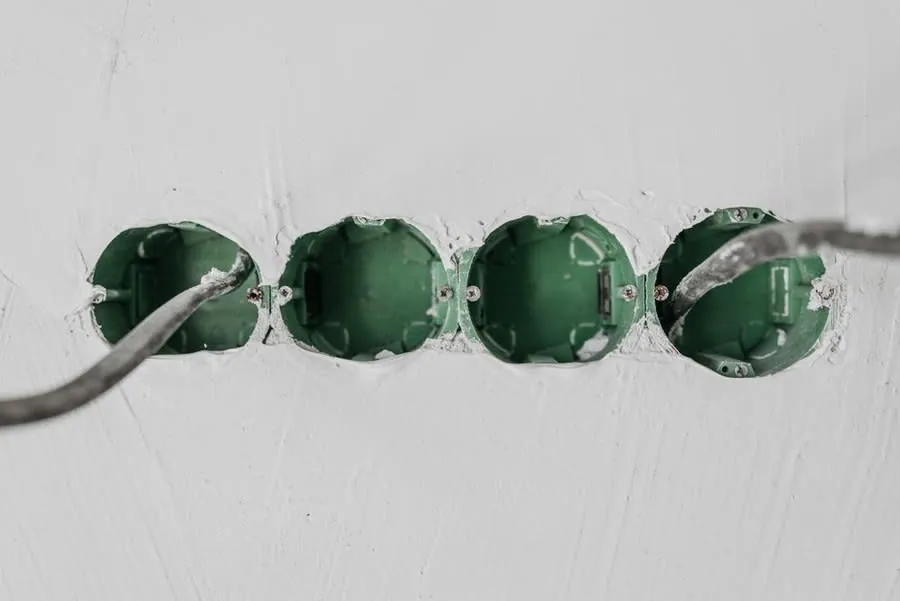
First fix is everything that has to happen while walls are open: cables chased in and back boxes set, hot and cold pipework run to the new sink position, waste falls worked out, and the feed for a dishwasher or an American fridge dropped where the appliance will actually stand.
Electrics in a kitchen are not a free for all. Adding a circuit, altering circuits or changing a consumer unit is notifiable work under Approved Document P of the Building Regulations. Either the electrician is registered with a competent person scheme and self-certifies, or the work has to be notified to Liverpool City Council building control before it starts. Ask for the scheme registration number at quote stage. You want the certificate at the end, because it is what a buyer’s solicitor asks for later.
Plumbing first fix is where moving the sink stops being a drawing and starts being a cost, mostly because of waste falls rather than the supply pipes. Old terraces put the drain in awkward places and a long horizontal run needs a fall you may not have.
Gas: The One Trade With a Legal Gatekeeper
Everything to do with gas appliances and gas pipework is restricted by law to a Gas Safe registered engineer. That covers capping the old hob, moving the pipe, connecting the new hob and moving or reconnecting a boiler if the kitchen change affects it. The Health and Safety Executive’s guidance on domestic gas safety sets out who can legally carry out that work and why.
Two visits is the normal pattern and it is worth pricing that way, because a single call out charge quoted at the start often quietly becomes two. Check the engineer’s card covers the appliance type they are working on, not just gas in general, and check it in person rather than taking a photo of a certificate on trust.
There is also a decision hiding here. A good number of Liverpool kitchens now move from gas to induction during a refit, which takes the gas engineer out of the picture but adds a dedicated circuit for the electrician instead. It swaps one trade for another rather than removing one.
Plastering: The Trade That Owns Your Timeline

Plastering comes after first fix and before units, and it is the step that quietly controls everything downstream, because fresh plaster needs to dry before anything gets fixed or painted onto it. A skim over sound existing plaster can be ready for units in a couple of days. Boarding out and skimming a stripped back wall in a Victorian terrace needs longer, and in winter, in an unheated room, longer again.
This is where self managed jobs slip. The fitter has been booked for a Monday, the plaster went on Friday, and now the fitter is standing in a room they cannot fix cabinets to.
The other thing worth deciding before the plasterer arrives is how far up the walls need finishing. If a full height tiled area or a tall splashback panel is going in, the plaster behind it does not need the same finish, and saying so in advance saves a day’s labour. How well this stage is done also has a direct bearing on how long the finished kitchen lasts, because units hung on soft or hollow substrate move.
Worktop Templating: The Visit Almost Everyone Forgets to Book

If you are having quartz, granite or any solid surface, a templater comes out after the base units are fitted and levelled, takes a physical template, and the worktop is then cut to it. That is a separate company on a separate diary, and the gap between template and fit is typically 7 to 14 working days.
Nobody enjoys discovering this halfway through. It means a fortnight with base units and no worktop, no sink and no hob, and it is why a kitchen quoted as a two week job turns into a four week one. Laminate avoids the wait entirely because the fitter cuts and joins it on site. That is a legitimate reason to choose laminate that has nothing to do with budget, and it is worth weighing if you are trying to be back in the room by a fixed date.
Managing It Yourself, or Letting One Firm Hold the Diary

Booking the trades yourself removes the coordination margin, which is roughly 10 to 20 percent of the labour side of a Liverpool kitchen. On a £6,000 fitting bill that is real money.
What you take on in exchange is the sequencing, the chasing and the risk. Every trade you book is running other jobs, and none of them are holding a slot open for you. When one link slips, the rest do not slide by the same amount, they slide to their next free window, which might be a fortnight away. That is the mechanism behind almost every horror story about a kitchen taking three months.
The middle route is the one most people end up happy with: one firm holding the programme and carrying the fitter, plaster and tiling, with the electrician and gas engineer either theirs or yours as long as somebody owns the calendar. What matters is not who books each trade. It is that one named person is responsible for the order they arrive in, and that person is not you finding out on a Tuesday that the templater cannot come until the following month.
Frequently Asked Questions
How many trades does a kitchen fit in Liverpool actually need?
Five is typical and six is common. A fitter for the units and worktops, an electrician, a plumber, a Gas Safe engineer if there is gas in the room, a plasterer, and usually a tiler. On a straight swap where nothing moves, a good fitter with an electrician and a gas engineer can cover it. The moment walls come out, services move or the room changes shape, the list grows and so does the coordination.
Does a kitchen fitter need to be qualified to do the electrics?
No, and most are not. Adding a new circuit, moving a consumer unit or altering circuits in a kitchen is notifiable work under Part P of the Building Regulations. It has to be carried out by an electrician registered with a competent person scheme who can self-certify it, or notified to Liverpool City Council building control before the work starts. A fitter who offers to run a new cooker circuit themselves is either registered, in which case ask for the number, or is about to leave you with unnotified work.
Who disconnects the gas hob when the old kitchen comes out?
A Gas Safe registered engineer, every time. Disconnecting, capping, moving or reconnecting a gas hob or a boiler is legally restricted work, and it is not a grey area a fitter can help with. On most Liverpool jobs the engineer comes twice: once on strip out day to cap off, and once near the end to connect and test the new appliance. Budget for two visits rather than one when you are pricing the job.
Is it cheaper to book the trades yourself instead of using one kitchen company?
On paper you save the coordination margin, which is usually 10 to 20 percent. In practice you take on the diary, and that is where the money goes. If the plasterer slips two days, the fitter loses their slot and the worktop template date moves with it, and a two day delay becomes a three week one. Managing it yourself works when you have flexible time and good contacts. It goes badly when you are working full time and the trades are juggling other jobs.