
14 August 2026
Media Wall vs a Real Fireplace: Which Works Better in a Liverpool Living Room?
If you live in a Liverpool terrace or semi, there is a good chance your living room is built around a chimney breast you no longer use. Sooner or later you have to decide what happens to it. The media wall vs fireplace question is the one we get asked most often on site visits across the city, and the honest answer depends on what you actually do in that room. A media wall in Liverpool runs from about £1,800 for a panelled wall with a recessed TV up to £5,500 and beyond for a large clad wall with storage. Putting a stove back in with a proper flue liner is not far off that, with indicative market costs of £2,500 to £4,500 plus a sweep at roughly £60 to £90 a visit. Two different jobs, two different lives. Here is how to work out which one belongs in your house.
The Short Answer: What Each Option Is Actually Good At
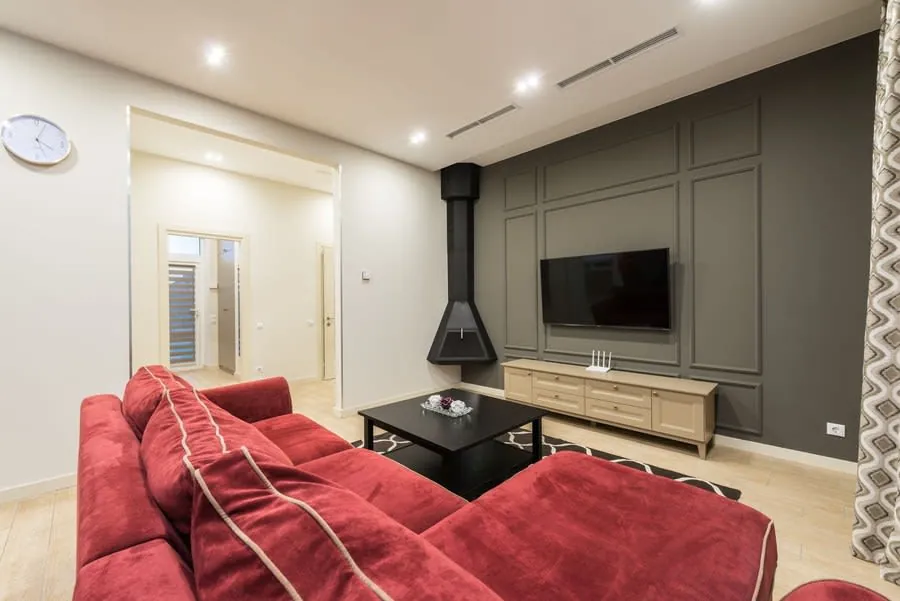
A media wall is a storage and screen solution that happens to look like a feature. It pulls the TV, the cables, the console, the router and the clutter into one fitted face. If the television is the centre of your evenings, that is the right answer, and our media walls work in Liverpool is mostly exactly that: a timber frame fixed back to the breast, boarded, panelled and painted, with the screen sat flush and nothing trailing.
A real fire is a heat and atmosphere solution that happens to look like a feature. It does something a screen cannot. Radiant heat off a stove warms the objects and people in front of it rather than the air, so a draughty Victorian front room feels warm faster than a radiator manages. It also keeps working when the power goes off, which is not a hypothetical during a bad winter on Merseyside.
So the short version. Media wall for tidiness, storage and a big screen with zero upkeep. Real fire for warmth, flame and period character, at the price of fuel, sweeping and annual servicing. Most people already know which one they want. The rest of this article is about the practical bits that change the answer.
What a Media Wall Gives You That a Fireplace Does Not
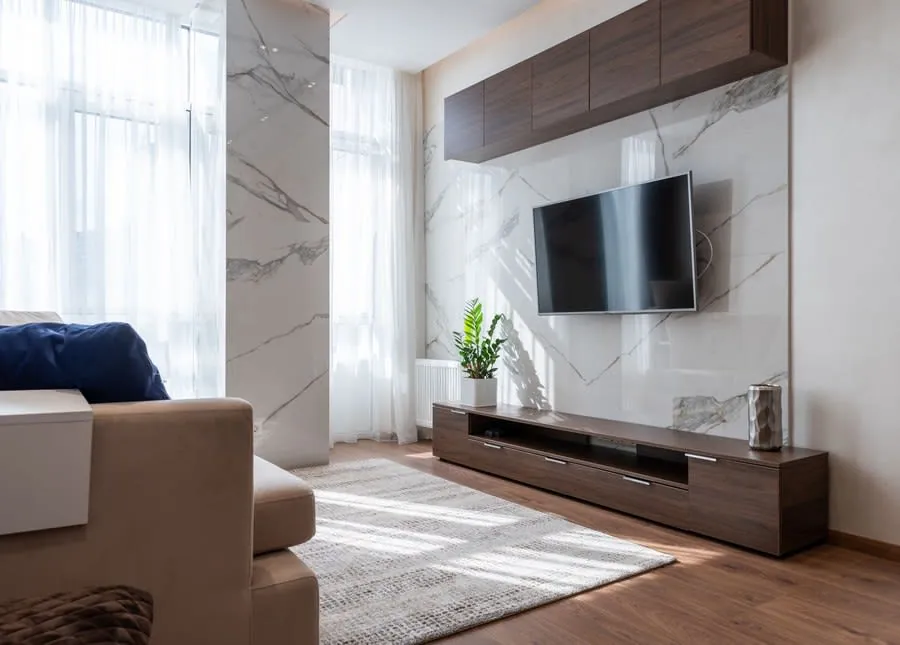
The recessed TV is the obvious one. A screen sat in a ply-lined recess reads as part of the wall instead of a black rectangle bolted on top of it. That matters more in a terrace than you might think, because a 65 inch screen on a chimney breast in a 3.6m wide room dominates everything. Sink it 60mm into the face and it stops shouting.
Then there is everything you stop looking at. Power, HDMI, soundbar, games console and router cables all run inside the frame. Nothing hangs down the front of the breast. The storage is the underrated part: closed cupboards for the boxes with the blinking lights, floating shelves for the things you want on show, and the alcoves either side of the breast turned into proper joinery rather than a wonky bookcase from a flat pack. If the alcoves are the bit you care about most, our alcove units page covers those on their own, and we wrote a longer piece on alcove ideas for Liverpool Victorian terraces that goes into the measuring quirks.
And then the boring wins. No coal to carry through the house. No ash bucket. No sweep booking. No smell of soot on a wet day. An inset electric fire gives you flame effect on a switch, with or without the heat element on, in July if you want it. That is a real difference in how you live in the room, not a sales line.
What a Real Fire Gives You That a Media Wall Cannot
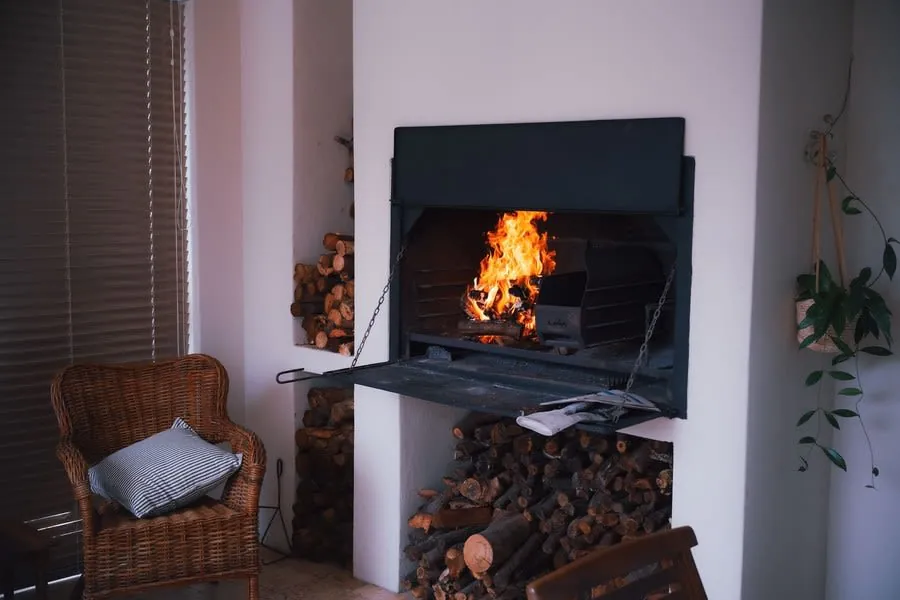
The fire deserves a fair hearing, because most media wall articles do not give it one. Flame effect technology has improved and some of it looks convincing in a photo. In the room, at close range, it is still a lit panel. A real fire moves unpredictably, throws light around the walls, and gives off heat you feel on your face. People sit around one differently to how they sit around a screen. If your living room is where you talk, read and have people over rather than where you watch box sets, that difference is the whole point.
Output is the other one. A modest 5kW stove will heat a Liverpool terrace front room to the point where you turn the radiator off, and it does it during a power cut, which an electric fire cannot. If your house has a solid fuel history, an open chimney and no gas central heating upgrade in sight, a stove is a real heating appliance rather than decoration.
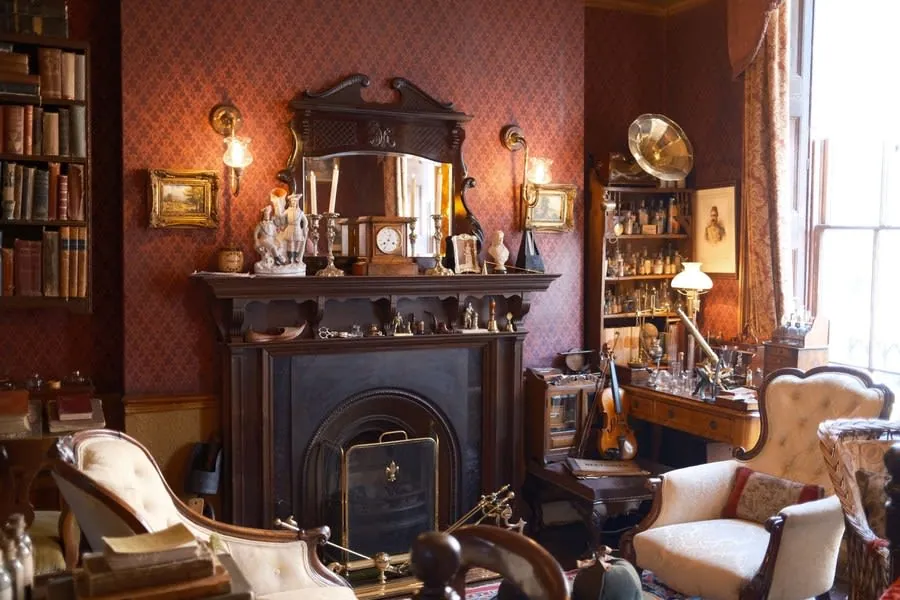
Period character counts too. A cast iron insert with the original tiled surround in a Wavertree or Toxteth terrace is part of what the house is. Ripping one out to board over it is a decision worth thinking about twice, particularly if the house sells on its period features. Some of the nicest jobs we do are neither one nor the other: fire kept and restored on the breast, made-to-measure custom joinery built into the alcoves either side, TV on a swivel arm in the corner. Nobody has to lose.
The Chimney Breast Question in a Liverpool Terrace
Here is where the local housing stock decides it for you. The Victorian and Edwardian terraces through Wavertree, Anfield, Kensington, Toxteth and Dingle typically have a chimney breast projecting 300mm to 350mm into the room with an alcove of roughly 700mm to 900mm either side. That projection is the single number that decides your build. It is deep enough to recess a screen into without building forward much at all, which is why media walls suit these houses so well.
The 1930s semis in Childwall, Allerton, Mossley Hill and West Derby are a different shape. Wider chimney breasts, often a bay front, and a room that is squarer overall. You get more usable width for a full wall build, but the bay eats the natural viewing position, so where the TV sits relative to the window needs sorting before anything gets framed.
Then there are the flats. Baltic Triangle and dockside conversions frequently have no flue at all, which settles the argument on its own. If there is no chimney, a real fire is off the table unless you are getting into balanced flue gas appliances, and a media wall with an inset electric fire is the only realistic route to a focal point.
Opening up, keeping, or building over
Three routes, briefly. Open it up if the flue is sound and you want a working fire back. Keep it as is if the surround is original and worth having. Build over it if the flue is redundant, in which case you can sometimes recess deeper into the breast itself for a properly flush screen. What you should not do is remove the breast entirely without a structural engineer looking at what is holding up the one in the bedroom above.
Regulations and Safety: Solid Fuel vs a Media Wall
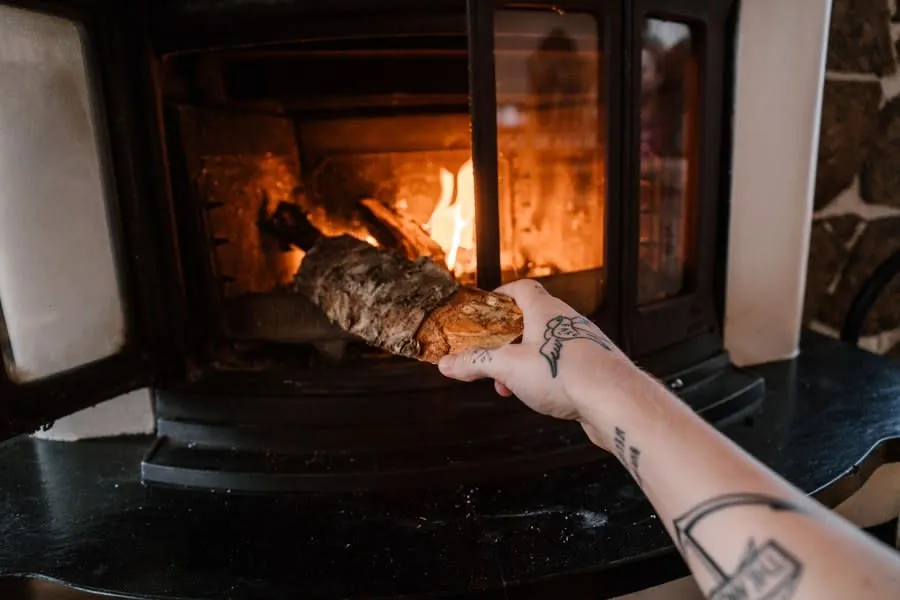
The two options are regulated very differently, and this is where people get caught out. A solid fuel appliance falls under Building Regulations Part J, which covers hearths, flue sizing, clearances to combustible material, ventilation and the data plate that has to be left with the installation. Read Approved Document J on combustion appliances before you commit to anything. In practice you either notify Building Control or use a registered competent person, and for solid fuel that means a HETAS registered installer who can self-certify the work. A carbon monoxide alarm in the same room is not optional, and an old chimney almost always needs lining before a modern stove goes on it.
A media wall is far simpler, but not unregulated. The joinery needs no approval at all. The electrics do. New sockets, a fused spur for the fire and hard-wired LED lighting are notifiable work under Part P of the Building Regulations, so a qualified electrician does the first fix and final connections and hands you a certificate. Keep it. A buyer’s solicitor may well ask.
One more Liverpool wrinkle. If you are on a conservation area street, changes to the external chimney stack can be restricted even though the internal work is not, so check the city council’s conservation area records before anyone talks about taking a pot down.
Running Costs and Heat Output, Compared Honestly
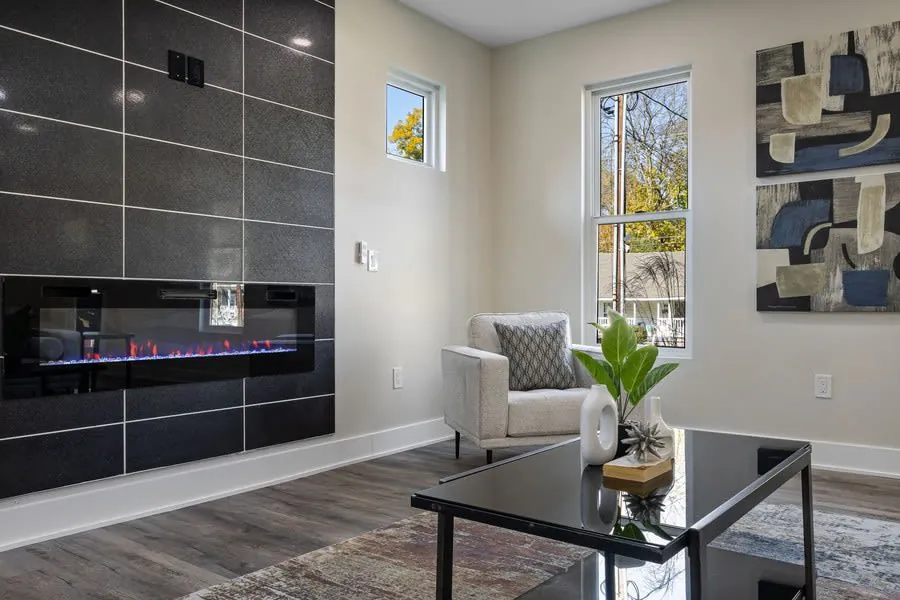
The electric fire marketing line is that it is 100% efficient. That is true at the point of use: every watt drawn becomes heat in the room, with nothing lost up a flue. What it skips over is that a unit of electricity costs several times more than a unit of gas, so 100% efficient electricity is still expensive heat compared with a gas boiler running radiators. Do not buy an electric fire expecting to cut your heating bill.
Then there is what you get for it. Most inset electric fires give around 1.5kW to 2kW on the heat setting. In a Liverpool terrace front room that is useful. It takes the edge off a chilly evening without firing the boiler for the whole house. It will not heat a house, and it will not heat a big through lounge on its own. A 5kW stove will, but you are then buying and storing fuel, and the sweep bill and annual service are permanent.
Rough shape of it over ten years: the media wall is a bigger one-off cost of £1,800 to £5,500 with pennies to run and effectively no maintenance. The stove is £2,500 to £4,500 indicative to install, then perhaps £150 to £250 a year on sweeping and servicing before you have bought a single bag of logs, offset by real heating you are not paying the grid for. Neither is obviously cheaper. They just spend the money at different times.
Damp, Soot, and What Happens to a Chimney You Board Over
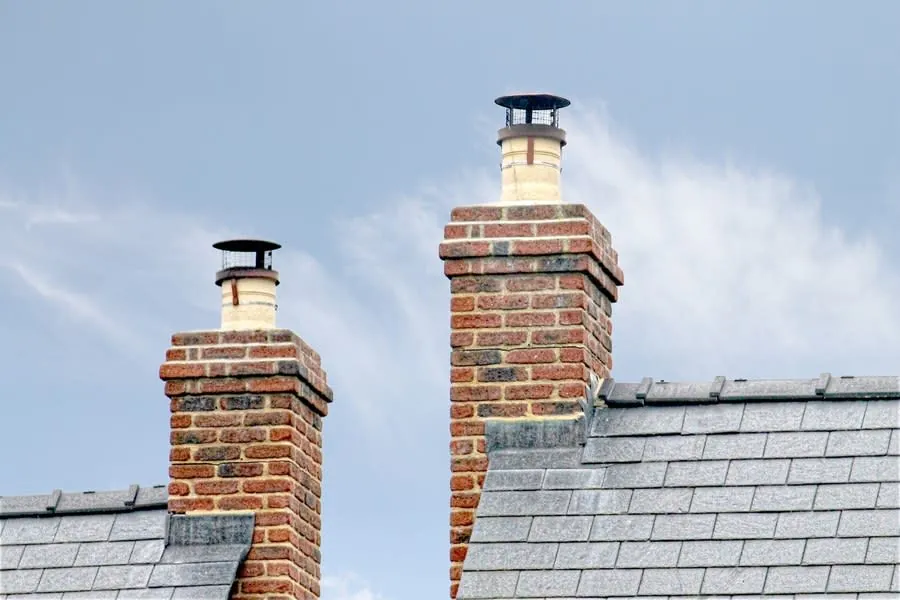
This is the part that gets skipped, and it is the one that comes back to bite. A chimney is a hole through your house that has spent decades absorbing soot and moisture. Seal it top and bottom with no airflow and it becomes a cold, damp cavity. The moisture has nowhere to go, it works into the brickwork, and the hygroscopic salts left behind by years of burning pull damp out of the air and hold it. What you see six months to two years later is a tide mark or yellowish staining bleeding through the plaster on the breast, sometimes straight through fresh paint on a brand new media wall.
The fix is cheap if you do it in the right order. Cap the pot with a vented cowl rather than a solid cap so the flue can still breathe. Leave a vent or air brick low down on the breast so air moves through. If the flue was heavily used, a salt retardant or a proper replaster of the breast before boarding saves you opening the wall up again. Only then do you frame and board over it.
Coastal air makes this worse in the north of the city and out towards Crosby, Waterloo and Formby, where wind-driven rain hits the stack hard and saturated brickwork dries more slowly. If you are in one of those streets, look at the stack and the flashing from the outside before you spend four grand on the inside. A media wall built over a wet chimney is money you will spend twice.
Which One Adds More Value in a Liverpool House, and How to Decide
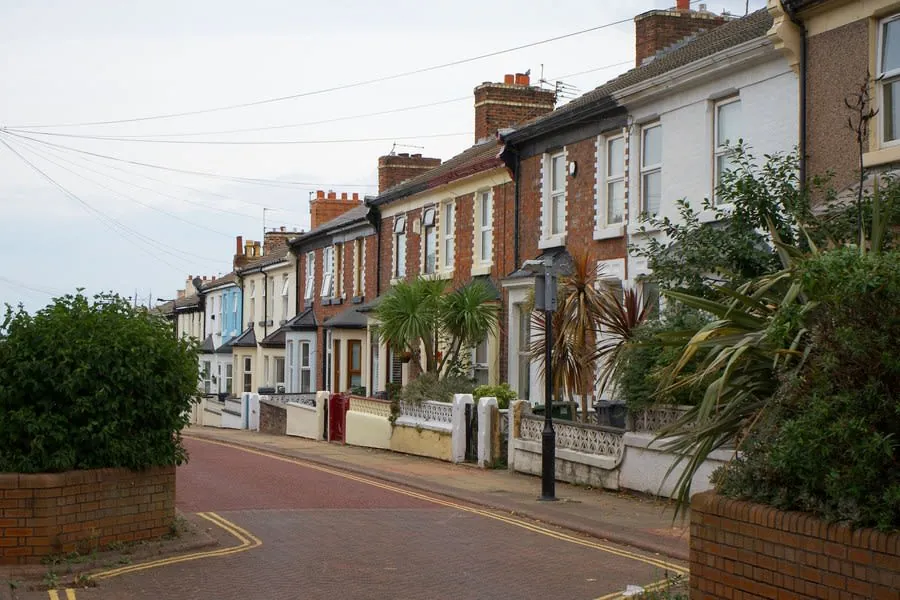
Do not expect either to add a neat figure to your valuation. Both help with saleability, and they help with different buyers. A restored period fireplace in a Victorian terrace appeals to the buyer who chose that street for the architecture. A tidy, certified media wall appeals to the buyer who wants to move in and plug the telly in. Either way it is the room showing well that does the work, not a line on the valuation.
What does lose you money is doing either one badly. A wonky media wall with visible cables and a plasterboard-only TV fixing reads as an amateur job and makes a buyer wonder what else was done that way. A boarded-over chimney with a damp patch coming through is worse, because it looks like a hidden problem. Quality of build beats the choice itself every time, whether that is a media wall, alcove joinery or custom cabinets either side of the breast.
So, how to decide. Ask yourself three questions. Do you actually use the room for watching things, or for sitting in? Is the flue sound and the surround worth keeping, or is it a bricked-up hole with a vent in it? And can you live with carrying fuel and booking a sweep every year? If the honest answers are watching, bricked-up and no, build the media wall. If they are sitting, original and yes, put the fire back and let the joinery work around it. There is no wrong answer, only a mismatch between the room you have and the one you are building for.
Frequently Asked Questions
Is a media wall better than a real fireplace in a Liverpool house?
Neither wins outright. A media wall gives you a recessed TV, hidden cables and built-in storage for £1,800 to £5,500 with no fuel, no sweeping and no flue. A real fire gives you genuine flame and radiant heat that still works in a power cut, which matters in an older terrace with poor insulation. Pick the media wall if the room is really a TV room, and the fire if you use the room for sitting and talking.
Can I have a media wall and keep my open fire?
Sometimes, but it needs care. A working solid fuel appliance has clearance and ventilation requirements that a timber-framed wall built tight around it will not meet, and any combustible material near the opening is a problem. The usual compromise in Liverpool terraces is a stove or fire kept on the chimney breast with the TV and storage built into the alcoves either side, rather than one full-width media wall.
What does it cost to put a wood burner in a Liverpool terrace?
As an indicative market range, a flue liner and stove installation typically runs £2,500 to £4,500 including the hearth, register plate and HETAS sign-off, with the stove itself a large chunk of that. Then budget a chimney sweep at roughly £60 to £90 each time and an annual service. A media wall with an inset electric fire, LED lighting and storage sits at £3,000 to £4,500 with no ongoing sweeping costs.
Do I need to vent a chimney if I board over it for a media wall?
Yes. A flue that is sealed top and bottom with no airflow will hold moisture, and in a Liverpool terrace that shows up as damp patches and salt staining on the chimney breast within a year or two. Cap the pot with a vented cowl, leave an air brick or vent at the bottom, and only then board the face. It is a cheap step that prevents an expensive one.