
29 July 2026
Alcove Ideas for Liverpool's Victorian Terraces: Shelving, Cabinets & Storage
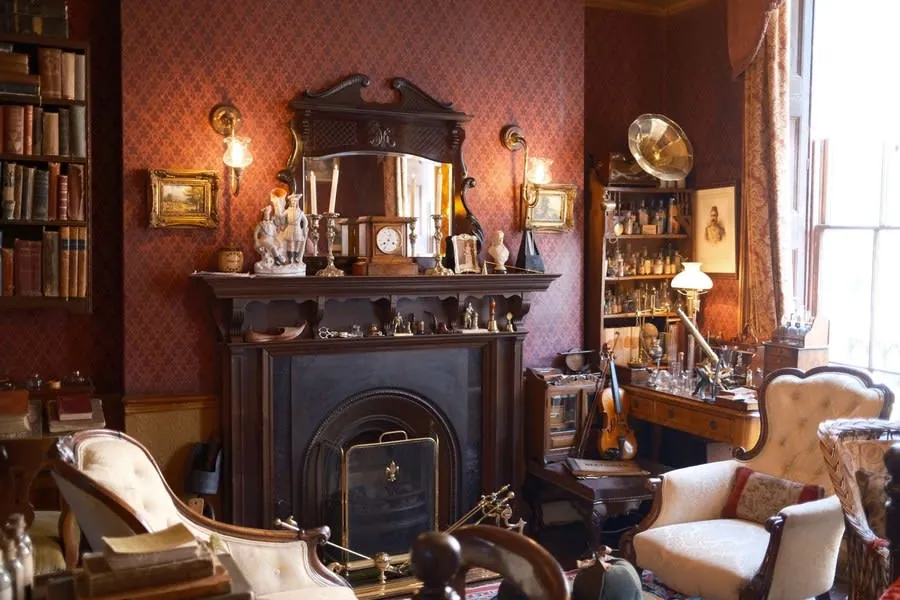
Walk into almost any Victorian two-up-two-down in Wavertree, Toxteth or Anfield and the front room tells the same story: a chimney breast in the middle of one wall, a recess either side, and both alcoves either left empty or filled with furniture that never quite fits. It is the defining feature of Liverpool’s terraced stock, and it is also the biggest missed opportunity in the room. A pair of alcoves in a standard terrace gives you roughly 1.5 to 2 metres of usable width and a full ceiling height of storage and display, most of which sits dead behind a sofa or a leaning bookcase. Fitted alcove units turn that space into the part of the room people actually notice. This is a research-stage guide to the main alcove ideas that work in Merseyside houses, what each one suits, and roughly what it costs before you get anyone out to measure.
Start with the classic: base cabinets below, shelves above
If you only look at one layout, make it this one. A run of base cabinets to around 900mm high with floating shelves or open shelving above is the workhorse of alcove joinery, and there is a reason nearly every fitted job in a Liverpool terrace ends up some version of it. The closed cupboards down low swallow the clutter - the router, the paperwork, the kids’ stuff - while the shelves up top carry books, plants and pictures. You get storage and display from the same recess without the room feeling boxed in. Our alcove units in Liverpool are built around exactly this split because it flatters a period room rather than fighting it.
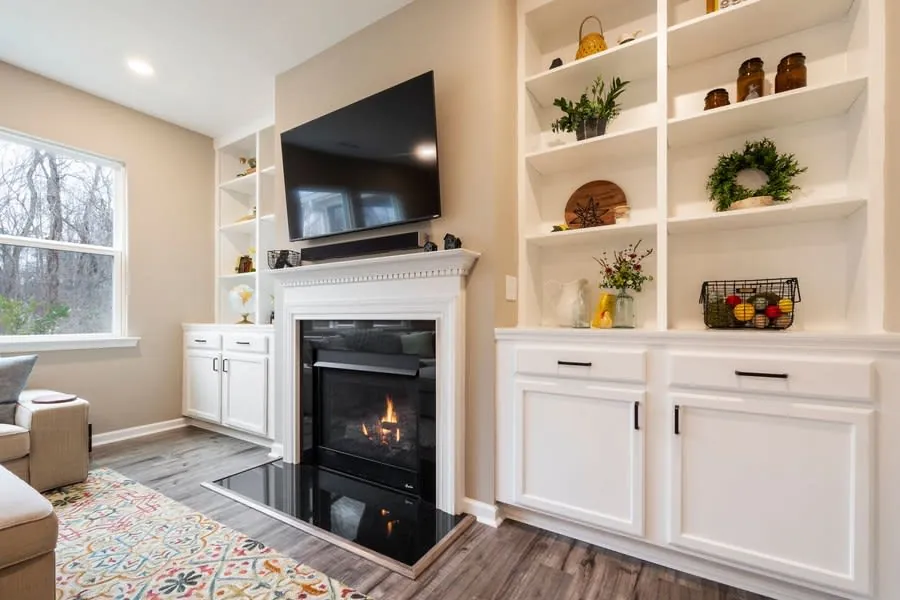
Cost-wise this is the middle of the range. Expect somewhere around £850 to £1,600 per alcove for a base cabinet with shelves above, depending on the width, the door style and whether you want lighting built in. Do both recesses either side of the chimney breast and you are usually looking at the same figure twice, though building the pair in one visit works out cheaper than two separate trips. It is the layout most homeowners regret not doing sooner.
Floating shelves, or go full-height with a fitted bookcase
Not every alcove needs cupboards. If the room already has enough closed storage, a set of floating shelves is the lightest touch you can make and the cheapest way in, starting from about £450 per alcove. Thick, wall-to-wall shelves with concealed fixings read as part of the architecture rather than something bolted on, and they suit a minimal room where you want the wall colour to carry through behind them.
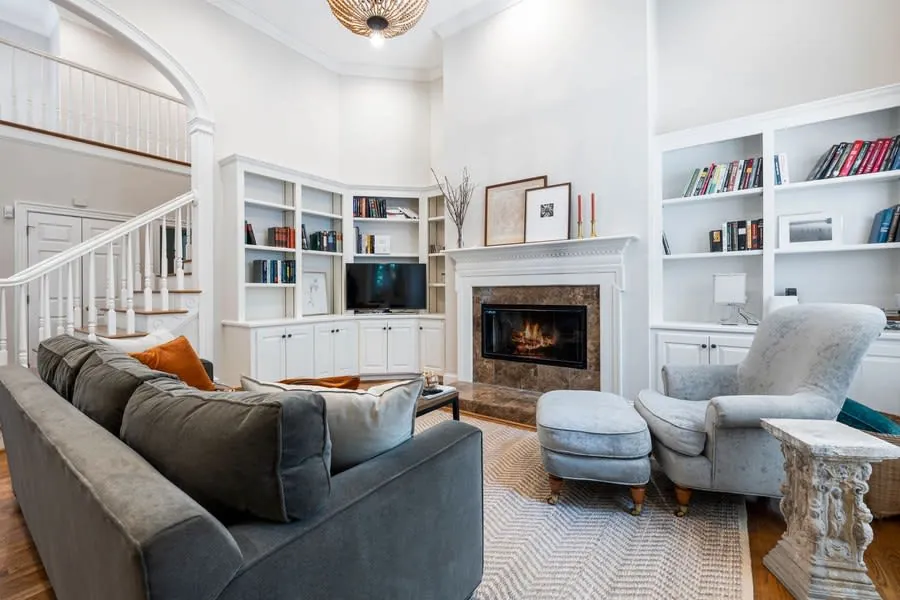
At the other end, a full-height fitted bookcase fills the recess floor to ceiling and turns a reader’s front room into something close to a small library. This is the choice for anyone with a lot of books or a home office in the corner, and a matched pair either side of the chimney breast typically lands between £2,000 and £3,800. The thing to get right here is the shelf build. A metre of paperbacks weighs about 25kg, so shelves want to be 18mm board with a thickened front edge and proper fixings into the masonry, not thin melamine on plastic pegs that bows within a year.
Media-wall alcoves either side of the chimney breast
The chimney breast is where the telly usually ends up, and that makes the two alcoves beside it the natural home for a media setup. Rather than a stand cluttering the hearth, the box, the console, the speakers and the cable spaghetti all disappear into fitted cabinets in the recesses, with the screen either wall-mounted on the breast or set into a panelled section. It is the same idea as our media walls, scaled to the shape of a terrace rather than a big open-plan room.
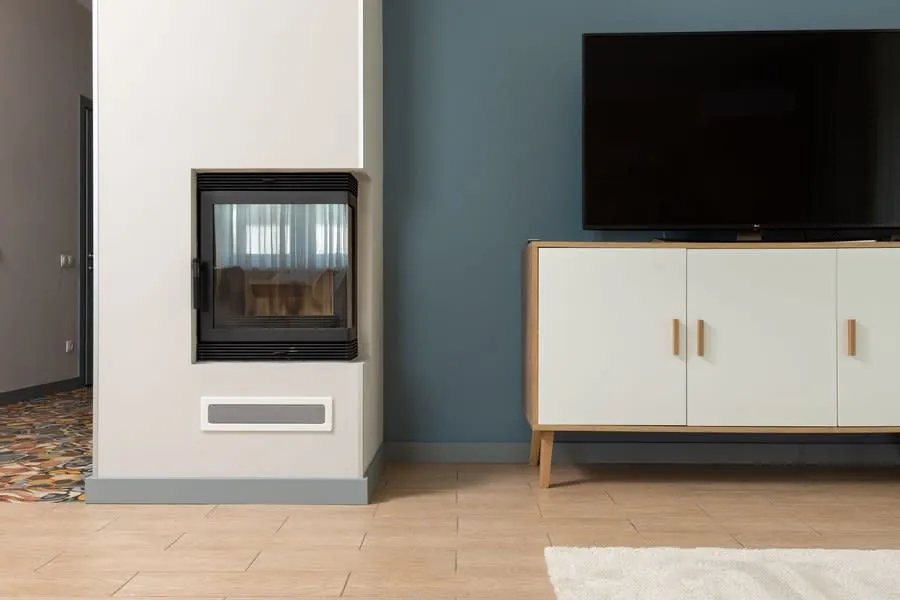
The practical win is cable management. Power and HDMI runs get chased in behind the panels before anything is closed up, so the finished wall has no trailing leads. If your consumer setup means new sockets, that side of the work is worth thinking about early - the same logic applies to the wasted triangle under the stairs, and plenty of clients build alcove joinery and under-stairs storage as one job to share the trade visits.
Bay window seats to tie the wall together
Most Liverpool front rooms with alcoves also have a bay, whether it is a flat-fronted terrace bay or the angled one you get on the bigger Aigburth and Allerton houses. A window seat built into the bay ties the whole scheme together and squeezes storage out of the coldest corner of the room. Bench-height joinery, usually 450 to 500mm to match the alcove cabinets, runs around the bay with lift-up lids or deep drawers underneath for blankets, board games and the stuff that has no other home.
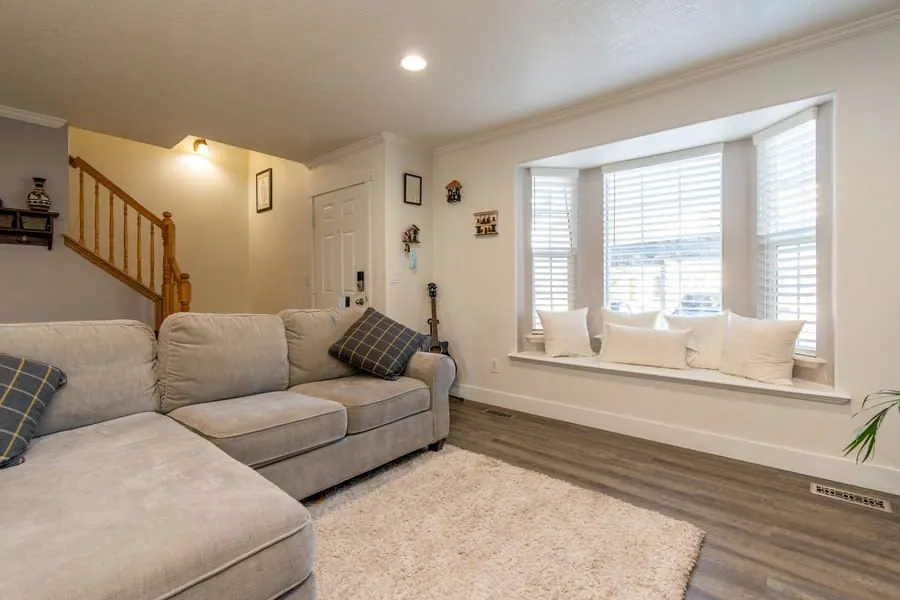
Angled and curved bays are no obstacle - the seat is built in faceted sections scribed to each face. The one thing to flag up front is the radiator, which in an older terrace often sits right under the bay. Either the seat front gets a grille to let the heat out, or the radiator moves as part of the job. Added to alcove units, a window seat is usually £600 to £1,400.
Painted or stained, and getting the lighting right
Finish is where the room’s character gets decided. Painted units are the default in Liverpool terraces, either colour-matched to the walls so the joinery vanishes into the architecture, or picked out in a contrast - deep green, navy and off-black are the colours doing the rounds in the streets around Penny Lane. Stained or oiled timber has its place if you want the grain on show, but it needs a decent hardwood or veneer to look right; on painted MDF you keep the crisp period look and hide the fact that no wall in the house is straight.
Lighting earns its keep on a dark Merseyside winter afternoon. LED strips under each shelf or inside a glazed cabinet lift the whole recess, and a socket built into a cupboard keeps a lamp or a router tidy. Any new sockets or hard-wired lighting should go in a qualified electrician’s hands and be signed off correctly - the Electrical Safety First guide to Part P explains why domestic electrical work needs doing and certifying properly rather than left to a general handyman.
Wonky walls, old flues and conservation streets
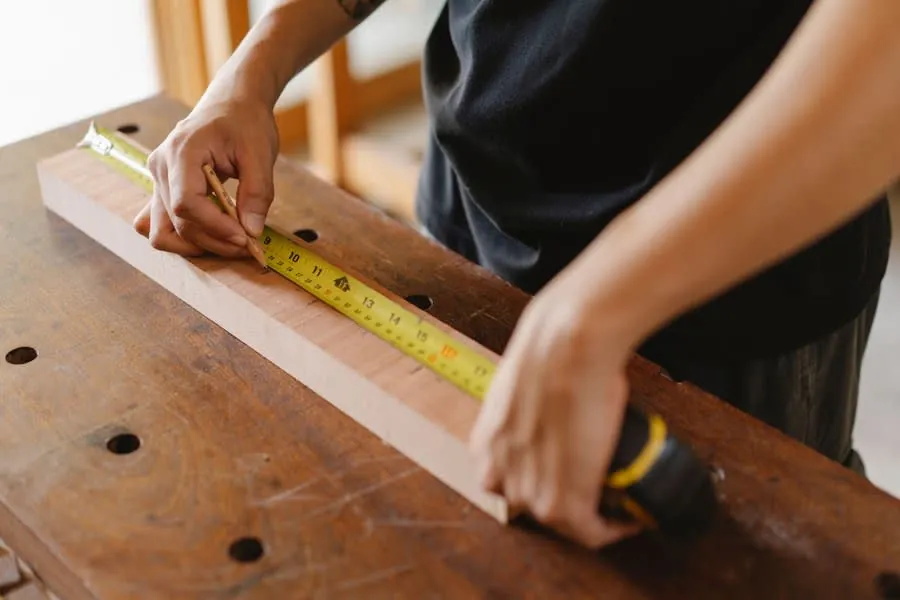
Here is the part the catalogues never mention. Liverpool’s Victorian walls are plaster-on-lath over brick, and after a century of settlement they are never truly square. An alcove is commonly 20 to 30mm wider at the skirting than up near the picture rail, and the plaster bellies in and out between. This is why fitted beats freestanding every time, and why scribing matters so much: each cabinet side and shelf is cut to follow the real wall line on site, so the finished unit sits tight instead of showing a wedge of daylight down one edge.
Two more things worth checking in older stock. If the chimney flue is redundant, it still needs to breathe - capping the pot and fitting an air brick keeps damp from building up behind any new joinery, which matters in Liverpool’s coastal, sometimes damp housing. And if your street sits in one of the city’s designated conservation areas, external changes are controlled and it is worth knowing the character rules before you touch anything visible from the road; the Liverpool City Council conservation area data shows which streets are covered. Internal alcove joinery is rarely an issue, but it pays to know where you stand.
What alcove ideas cost, and what they give back
Pulling the numbers together: floating shelves start from around £450 per alcove, a base cabinet with shelves above runs £850 to £1,600 per alcove, a matched pair of full-height units either side of the breast lands between £2,000 and £3,800, and a bay window seat adds £600 to £1,400. Where you land inside those ranges comes down to the recess sizes, the door style, lighting and finish, which is why any honest quote follows a measured site visit rather than a phone estimate.
On resale, be realistic. You will not get every pound back on joinery, but fitted alcove storage consistently shows up as a listed feature on period Liverpool houses, and it photographs far better than a room full of mismatched furniture. The same thinking about using every awkward corner runs through our guide to kitchen storage solutions for awkward spaces, and alcoves are the living-room version of that job. Get them right and the room finally has a reason for its shape.
Frequently Asked Questions
Do fitted alcove units add value when you sell?
They rarely give a pound-for-pound return, but estate agents around Liverpool routinely list fitted alcove storage as a feature in period houses. Buyers see finished, useful space instead of another job to do, the units photograph well in a listing, and unlike furniture they stay with the house at sale.
Should alcove units be painted or stained?
Most Liverpool terraces get painted units, either colour-matched to the walls so they read as original features or in a deep green or navy contrast against the chimney breast. Stained or oiled timber suits a room where you want the grain to show, but it needs a decent hardwood or veneer to look right - painted MDF is more forgiving on the wonky walls you get in older stock.
Can alcove shelves hold a full load of heavy books?
Yes, if they are built properly. A fully loaded metre of books weighs roughly 25kg, so shelves need to be 18mm board with a thickened front edge, fixed into timber battens or concealed brackets screwed to the masonry rather than plasterboard plugs. On spans over about 900mm a mid-fixing or a deeper edge stops the shelf sagging over time.
How do you deal with uneven walls in a period terrace?
By scribing. In a Victorian Liverpool terrace the alcove is often 20 to 30mm wider at the skirting than up near the picture rail, and the old plaster-on-lath bellies in and out. Each cabinet side and shelf is cut to follow the actual wall line on site, and units are scribed around skirting and coving rather than the trims being ripped off, so the final caulk line is a couple of millimetres, not a gap you can post a letter through.