
5 August 2026
How Much Do Fitted Wardrobes Cost in Liverpool? (2026 Price Guide)
Fitted wardrobe quotes come back further apart than almost any other job in the house, and it is rarely obvious why. So here are the numbers first. In Liverpool, a single bespoke wardrobe built into one chimney-breast alcove starts around £1,200. A full wall of fitted wardrobes across a normal double bedroom runs £2,500 to £6,000. Turn a box room into a walk-in and you are starting at £6,000. The gap inside each of those bands is not padding, it is doors, drawers and finish, and once you can see the components you can read a quote properly. This guide breaks the fitted wardrobes cost down line by line, using real Liverpool bedrooms: terrace alcoves 700mm wide, bay-fronted 1930s semis out in Childwall, loft rooms where the ceiling gives up at waist height.
What Fitted Wardrobes Cost in Liverpool: The Headline Figures
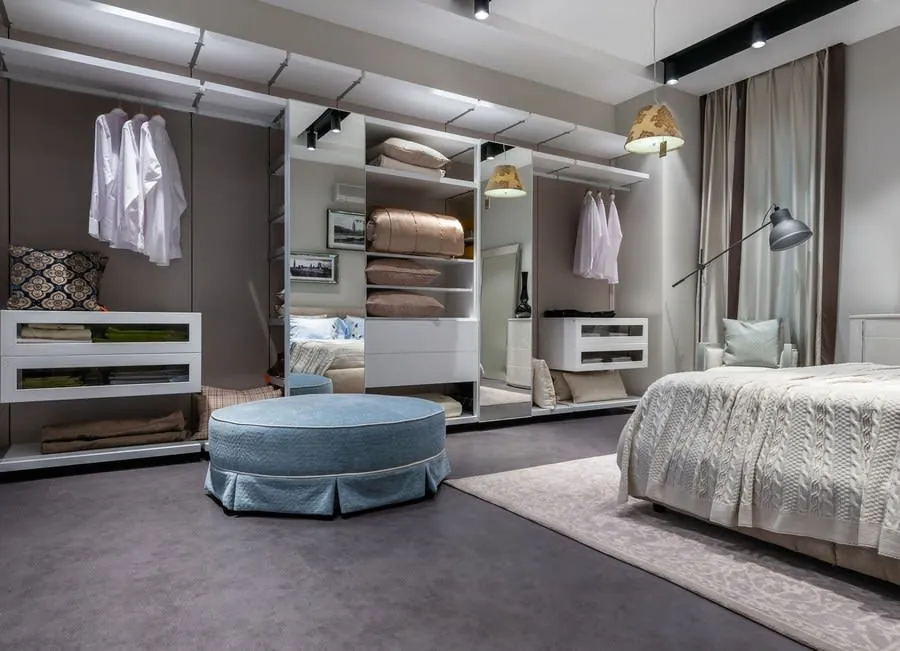
There are three tiers and our own bespoke fitted wardrobes are priced around them. Tier one is the single alcove unit: one carcass built into the gap beside a chimney breast, floor to ceiling, two doors, a rail and a couple of shelves. From about £1,200. Tier two is what most people actually want, a full wall of wardrobes across a double bedroom, four to six doors, drawer banks and a proper interior, at £2,500 to £6,000. Tier three is the walk-in, where a box room or the end of a long bedroom gets converted into a dressing area, and that starts at £6,000.
Where you land inside a band comes down to how many doors there are, what those doors are made of, and how much of the inside is drawers rather than rail. A four-door melamine run with rails and shelves sits near the bottom of tier two. The same wall in sprayed shaker with two drawer banks, a pull-out shoe rack and LED strips is near the top. Nobody can tell you which one you are buying until they have measured the wall, put a level on the floor and looked at what you actually own. A fixed price quoted down the phone is a guess. The correction turns up on fitting day, and it is never in your favour.
The Fitted Wardrobe Cost Broken Down: Carcass, Doors, Interiors, Hardware and Fitting
Here is where the money goes. These are realistic Liverpool component ranges, and they stack into the tiers above rather than arguing with them:
- Carcass material, 18mm MFC or moisture-resistant MDF, plus battens, backs and fixings: £120 - £300 per linear metre of wardrobe. A 900mm alcove is one metre of that. A 3.6m wall is four.
- Doors, including the finish: £180 - £420 each. Plain melamine slab at the bottom, hand-painted or spray-lacquered shaker at the top. This is the single biggest line on most jobs, and six doors at the top of the range is £2,500 on its own.
- Internal fit-out: hanging rail and brackets £25 - £60 a run; adjustable shelf bay £20 - £45 each; drawer box on full-extension soft-close runners £70 - £190 per drawer; pull-out shoe rack £90 - £180; pull-out trouser rail £60 - £140.
- Hardware: soft-close concealed hinges £8 - £20 a pair, and you need two or three pairs per door. Handles £4 to £30 each. Call it £150 - £400 across a full wall, and it is the first line a cheap quote quietly downgrades.
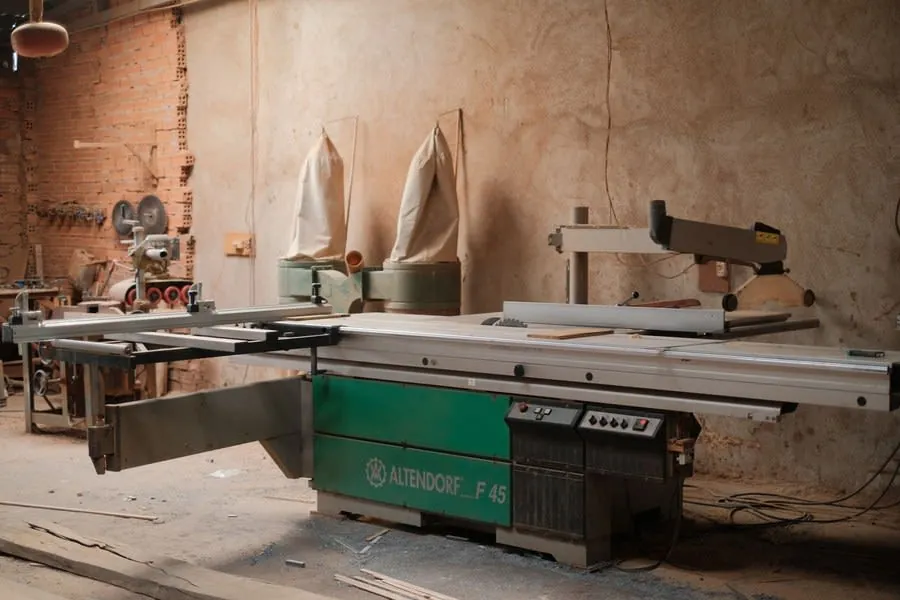
- Making: 1 to 3 days of workshop time cutting, edging and assembling before anything arrives at your house, at £180 - £260 a day.
- Fitting: the same £180 - £260 a day for a joiner in Liverpool. A single alcove is a day. A full wall is two, three if there is lighting or mirrored doors.
- LED lighting on door switches, if you want it: £150 - £350 fitted.
Take the bottom of every line for a two-door alcove and you are at roughly £1,200. Take a four-door melamine wall with rails and shelves and you land near £2,500. Put six sprayed shaker doors on it, two drawer banks, a shoe rack and lights, and you are pushing through £6,000, which is the point where a walk-in conversion starts being the better use of the money.
Hinged vs Sliding Doors, and Why Sliding Wins in a Narrow Terrace Bedroom
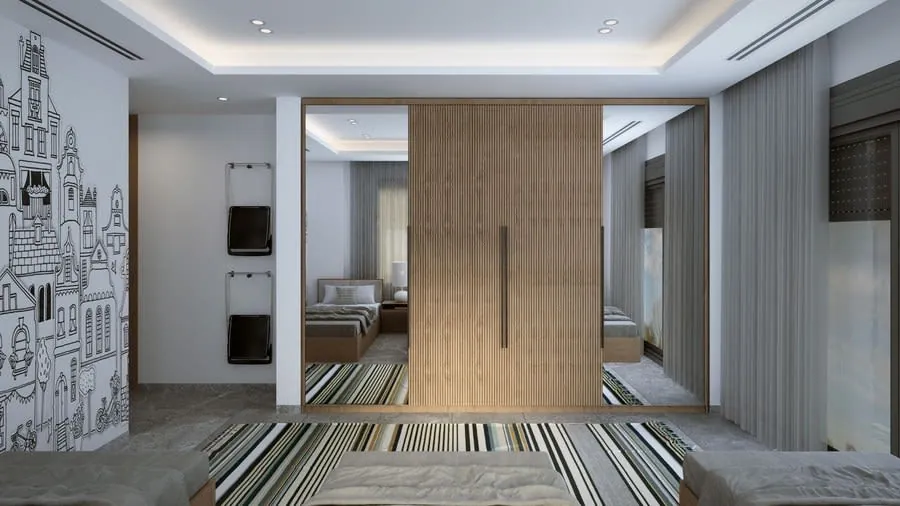
Per door, sliding costs more. You are paying for a top track, a bottom guide and a framed panel that has to stay flat and run true for years, rather than a slab and a pair of hinges. A sliding run typically comes in at £900 to £3,000 depending on width and whether the panels are mirrored, glass or woodgrain. Hinged doors on a bespoke carcass are cheaper for the same width and give you the full opening, which matters more than people think when you are trying to get a suitcase out of the top.
Then measure your bedroom. A hinged wardrobe door needs 550mm to 600mm of clear swing in front of it. The back bedroom of a Liverpool two-up two-down is often 2.4m to 2.7m wide, and once a double bed is in there the walking strip down the side is about 600mm. The door and the bed want the same air. In those rooms sliding is not a style choice, it is the only way the doors open. The same goes for the third bedroom in a lot of terraces, where 1.9m wall to wall is common and a hinged door would hit the radiator.
Two things to check before you commit to sliding. You lose roughly 80mm to 100mm of internal depth to the track assembly, so a 600mm deep wardrobe becomes a 500mm one, which is tight for a coat on a hanger. And you only ever see half the wardrobe at once. If you want everything visible in one go, and the room can take the swing, hinged is the better build.
Fitted Wardrobes vs Freestanding vs the National Brands
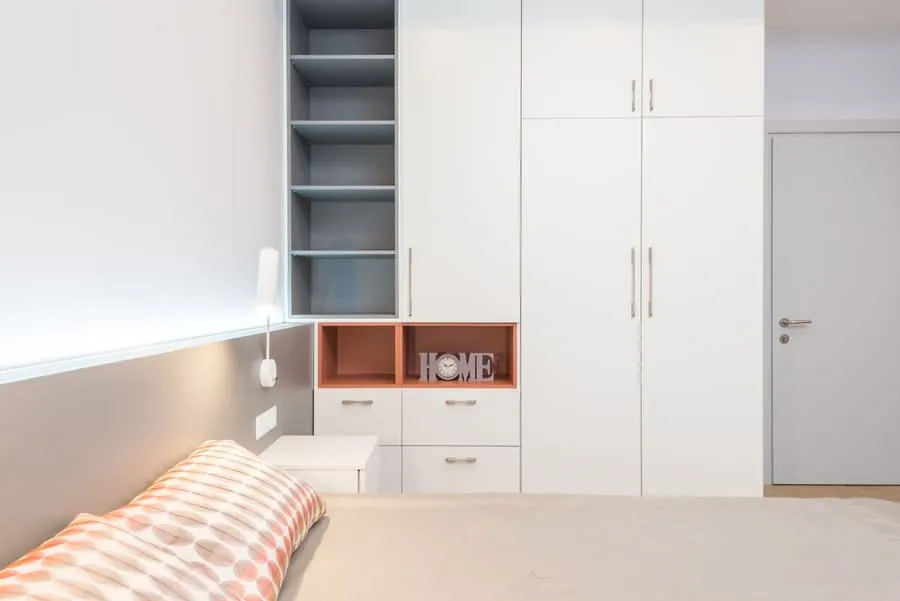
Freestanding is £150 to £800 and there is no shame in it. If you rent, or you move every three years, buy the box. What you are accepting is a rail, a shelf, a foot of dead air above it and a 40mm gap down each side that fills with dust, plus nothing at all in the alcoves where the storage should have gone. In a room with a chimney breast, a freestanding wardrobe usually ends up standing in front of the window.
The national fitted-wardrobe brands are the ones worth understanding properly, because the pricing is theatre. A designer measures up at your kitchen table, quotes a startling opening figure, then rings a manager and takes 40 or 50 percent off if you sign tonight. Sometimes a fitter is conveniently free next week. The lower number was always the price. That is the whole trick, and it works because the first figure is so high that the second one feels like a rescue. What you are actually buying underneath it is standard module widths with filler panels bridging whatever is left over. In a Victorian bedroom with a 730mm alcove, that is a lot of filler.
A bespoke run is measured to your actual wall and scribed to your actual ceiling, and the first written price is the real one. It should still be the same figure a fortnight later. Same logic applies if you are matching fitted furniture elsewhere in the house: our custom cabinets get built to the same walls, in the same finish, so the bedroom and the living room do not end up two different shades of grey.
What Your House Does to the Price: Chimney Breasts, Bays, Slopes and Lath
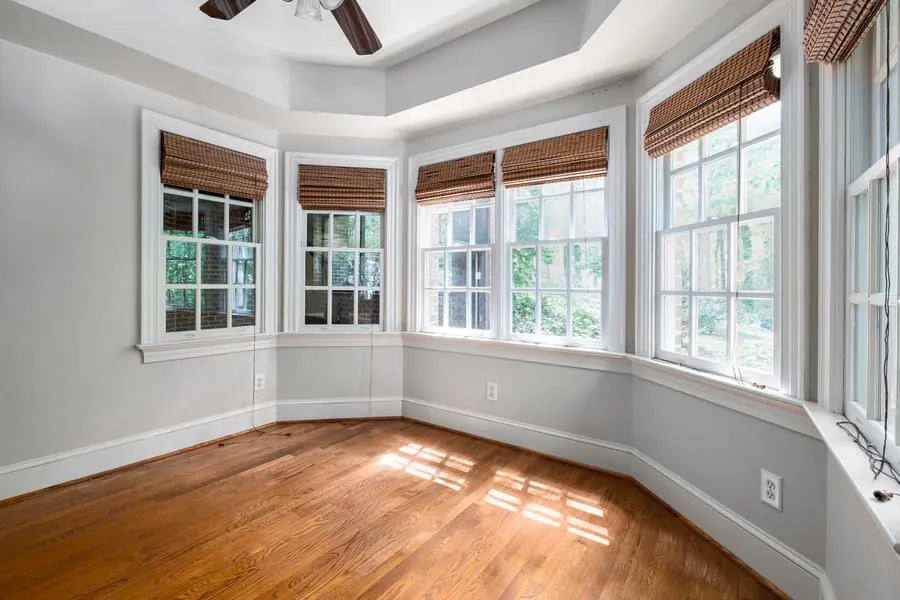
The house moves the number more than the catalogue does. A Victorian terrace in Wavertree, Anfield, Kensington or the Dingle almost always has a chimney breast projecting 300mm to 350mm into the bedroom, with an alcove either side somewhere between 700mm and 950mm wide. Two alcove wardrobes with a bridging cupboard over the breast is the standard answer, and it costs a bit more than one straight run because it is three carcasses instead of one. Then there is the fabric. The walls are often plaster on lath, so fixings go into studs and battens rather than the wall face, and after a century of settlement the floor can be 15mm to 25mm out across a 3m run. Every carcass gets packed and scribed. That is skilled hours, and it is why the same wardrobe costs more in a terrace than in a Baltic Triangle apartment where everything is plasterboard and plumb.
A 1930s semi around Childwall, Allerton, Mossley Hill or West Derby brings a different problem. The front bedroom has a bay, so the wall you want is the one with the window in it, and the usable run is often the short return wall beside the chimney breast rather than the full width. Bay-front rooms also have a wider skirting and a picture rail to scribe around. The back bedroom is usually squarer and easier, which is why it tends to get the full wall.
Sloping ceilings are their own job. A loft conversion bedroom needs the carcasses and door fronts cut to the roof pitch, which is measured with a bevel gauge in three places because old roofs move. Our loft and eaves wardrobes are built that way as standard, and there is a longer read on how it works in our guide to loft conversion wardrobes and sloping ceilings. None of this needs planning permission, since fitted wardrobes count as furniture. If you are in one of the city’s designated conservation areas and there is original panelling or a cast-iron bedroom fireplace involved, check what is protected before anything gets cut.
Interior Fit-Out: Where the Money Actually Goes
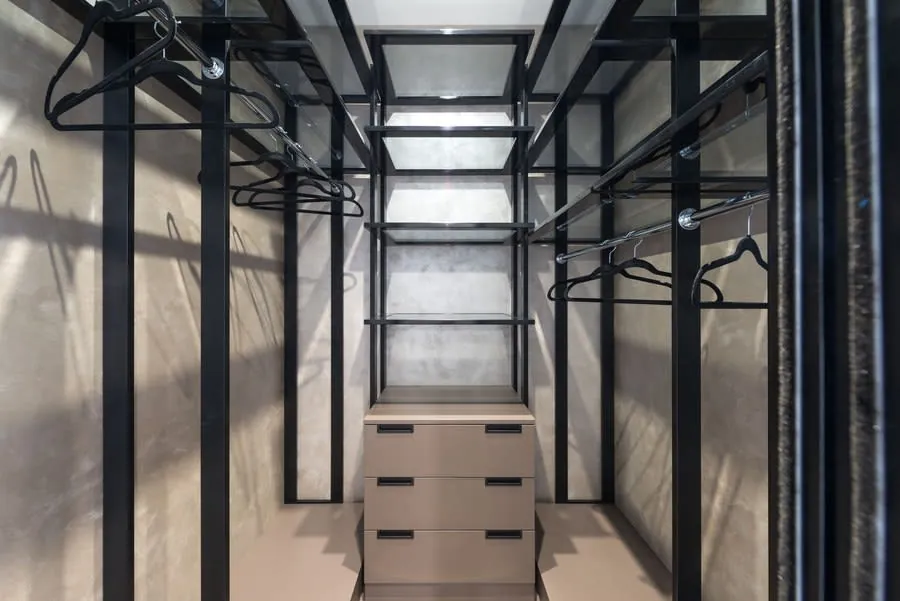
Two quotes for the same wall can be £1,500 apart with doors that look identical in the drawing. The difference is behind them. A rail and one shelf per bay is the cheapest interior anyone will build you, and it is exactly why the cheap quote is cheap. Double hanging, where two rails stack so shirts and jackets use the full height instead of leaving a metre of air under them, costs almost nothing extra and roughly doubles what that bay holds. Ask for it by name.
Drawers are the real money. A drawer box on full-extension soft-close runners is £70 to £190 fitted, and a bank of five is up to £950 before the fronts. Internal drawers behind a door cost the same to build as external ones, so a wall with two drawer banks in it carries £600 to £1,500 of drawer work that never shows in a photo. Pull-out shoe racks are £90 to £180 each, trouser rails £60 to £140, and LED strips on door switches £150 to £350 for the run.
Spend it where you use it. In a terrace bedroom with a 730mm alcove, one bay of double hanging and one bay of drawers usually beats four bays of rail. If the plan is genuinely a dressing room rather than storage, price a walk-in wardrobe conversion at the same time, because £6,000 spent on a box room with island drawers and full-perimeter hanging often does more than £6,000 spread thinly along a bedroom wall.
Finishes: Painted, Sprayed, Melamine and Veneer
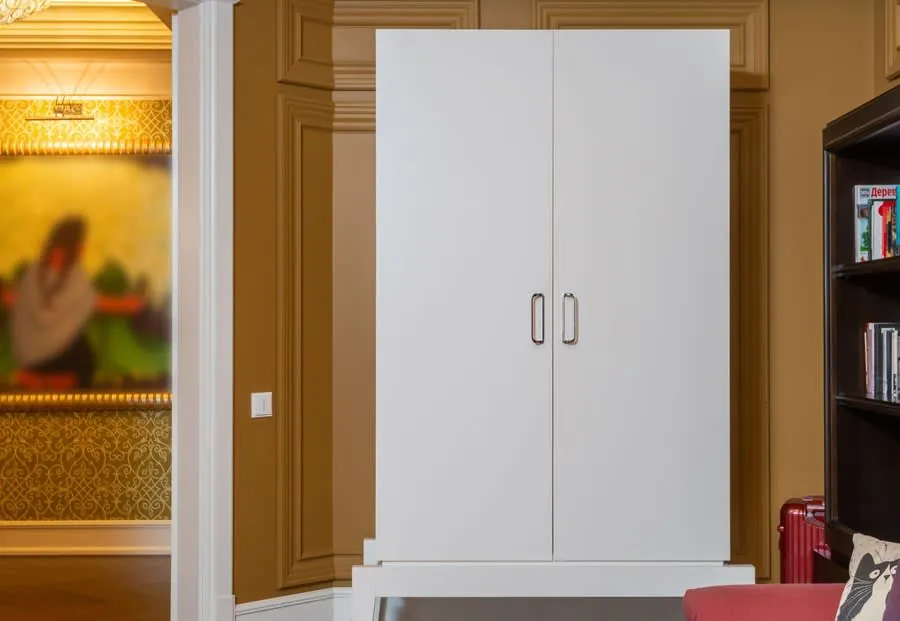
Melamine-faced chipboard is the cheapest and the toughest, roughly £180 to £250 a door. It comes off the board finished, so there is no drying time and no painter, and the woodgrain and matt whites available now are a long way from the 1990s. The catch is that you get the colours the board manufacturer makes, and a chipped edge cannot be repaired, only replaced. It suits rentals, kids’ rooms and anyone who wants the money in the interior instead.
Hand-painted MDF is the middle at about £250 to £340 a door. It is the right call for period bedrooms in the terraces, because a brushed shaker door sits properly next to old skirting and a picture rail, and you can repaint it in ten years when you go off sage green. Spray-lacquered MDF is the top at £320 to £420 a door. Sprayed off site, cured flat, no brush marks, and it is what most people are picturing when they say modern fitted wardrobe. Real wood veneer costs about the same as spray and is only worth it if you specifically want visible grain, because it moves with humidity and you cannot change the colour later.
One Liverpool-specific note. Bedrooms on the coastal side, out towards Crosby, Waterloo and Blundellsands, and any room with a chronically wet north-facing external wall, do better with a factory finish than a site-brushed one. Painting a door in a cold, damp bedroom in February gives you a slow cure and a soft finish that marks. If the timetable says doors sprayed off site and delivered cured, that is a good sign, not an upsell.
Do Fitted Wardrobes Add Value in Liverpool, and How to Get a Quote Worth Comparing

Nobody can promise you a percentage. Be wary of anyone who tries. What fitted wardrobes do in Liverpool is answer the standing complaint about the housing stock: Victorian bedrooms and 1930s semis were built with nowhere to put clothes, and buyers work that out about four seconds after walking in. A tidy fitted wall that obviously stays with the house gets listed on the particulars and makes the room read as finished. A bad one costs you, because filler strips and doors that do not line up are now something the buyer has to pay someone to rip out.
For a quote you can compare, insist on a measured site visit and a drawing. The written quote should list carcass, doors and finish, interior fit-out, hardware and fitting as separate lines, and it should name the door material, say whether the doors are sprayed or brushed, and state what the drawer runners are rated for. Get three. Be suspicious of the cheapest if it is vague about the interior, because that is where the difference nearly always lives, and be suspicious of the dearest if the price moves when you hesitate.
Check the firm as well as the figure. Registration with a scheme like TrustMark, the government-endorsed quality scheme, or membership of the Federation of Master Builders, is a reasonable filter. Better still, ask for two addresses in your part of the city where they have built the same thing, and ask how they handle a floor that is 20mm out. A joiner who has fitted a hundred Liverpool bedrooms will answer that in one sentence.
Frequently Asked Questions
How much do fitted wardrobes cost in Liverpool?
A single bespoke wardrobe built into one alcove starts around £1,200, depending on what goes inside it. A full wall of fitted wardrobes across a typical double bedroom runs £2,500 to £6,000, with the finish and the number of drawers making most of the difference. Walk-in conversions of a box room start around £6,000. Every one of those figures should come off a measured site visit and a drawing, not a phone call.
Are sliding doors cheaper than hinged doors on fitted wardrobes?
Per door, sliding is usually dearer, because you are buying a top track, a bottom guide and a heavier framed panel instead of a pair of £12 hinges. A sliding system typically lands at £900 to £3,000 for a run. Where sliding pays for itself is a narrow Liverpool back bedroom: a hinged door needs 550mm to 600mm of clear swing in front of it, and in a 2.4m wide terrace bedroom that swing lands on the bed.
Why do the national fitted wardrobe brands quote so high and then drop the price?
It is a sales pattern, not a discount. A big opening figure gets quoted in your living room, then a manager is phoned and 40 or 50 percent comes off if you sign that evening. The lower number was always the price. A local joiner should measure, draw it, hand you one written figure, and leave, and that figure should be the same next Tuesday.
Do fitted wardrobes add value to a Liverpool house?
Do not expect a fixed percentage on the valuation. What they do is fix the complaint buyers make about Victorian terraces and 1930s semis, which is that the bedrooms have nowhere to put anything. A tidy fitted wall that clearly stays with the house shows well on a viewing and gets listed on the particulars. A wonky one with filler strips and caulk down the sides reads worse than an empty wall.