
5 November 2026
Ex-Display And Used Kitchens In Liverpool: Real Savings, Snags And Fitting Costs
The advert usually reads something like this: £16,000 kitchen, ex-display, yours for £4,500, appliances included, buyer collects. Around one in six of the kitchen enquiries we get in Liverpool now involves units the customer has found second-hand or is thinking of buying, and the numbers on ex-display and used kitchens can look very good. Some of them really are a bargain. Others end up costing about the same as a new budget kitchen once the gaps are filled, and a few cost more. Where it lands depends on three things: how closely the kitchen matches your room, how much of it survives the trip from someone else’s house, and how much extra time your fitter has to spend making it work. This guide covers where these kitchens come from, what you can realistically save, the snags that sink the deal, and what a fitter in Liverpool will charge to put one in.
What You Are Actually Buying With An Ex-Display Kitchen
An ex-display kitchen is a set of units, doors and often appliances that has been fitted in a showroom to sell other kitchens. A used kitchen is one that has been in somebody’s home and is being taken out. On paper they are the same deal: you get a branded kitchen for a fraction of the price, and you pay a fitter to install it. If you are weighing it up against a straightforward kitchen installation in Liverpool with new units, the honest comparison is the finished cost, not the price of the boxes.
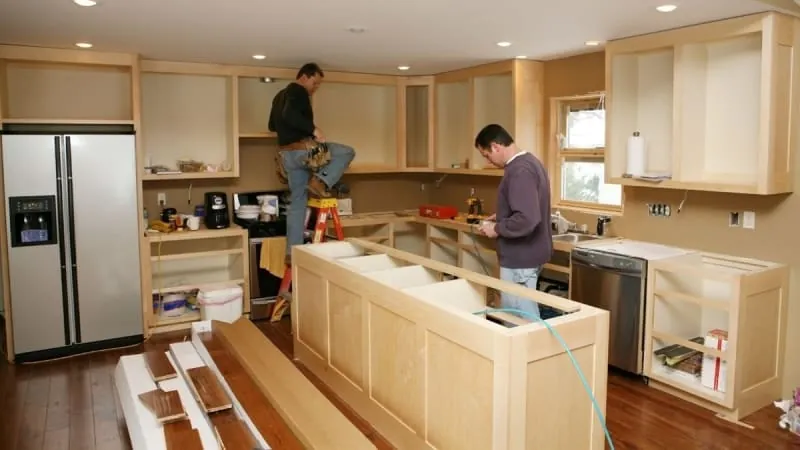
What you are buying is a layout designed for a different room. Every unit width, every filler and every worktop join was decided for a wall that is not yours. Keep that in mind with every advert you look at. The doors and carcasses might be excellent quality, often better than you would buy new at the same budget, but they arrive as a puzzle that was solved once already for somebody else.
Where Ex-Display And Used Kitchens Come From Around Liverpool
There are three main sources, and they carry very different levels of risk.
Showroom refits
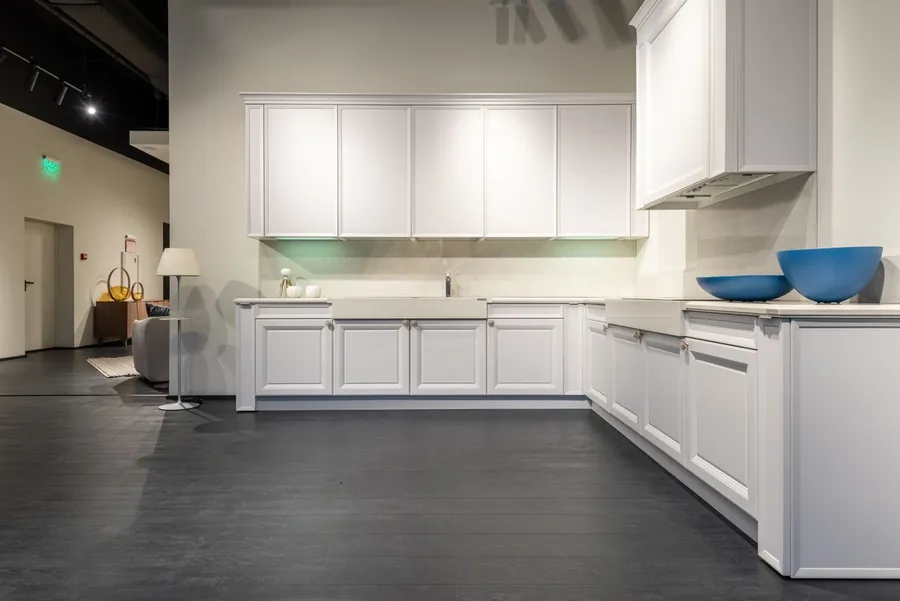
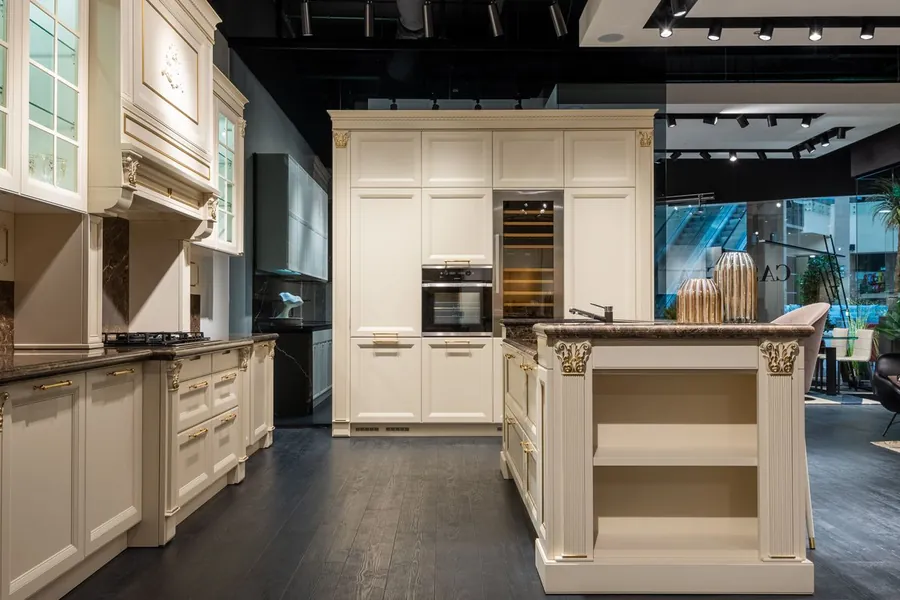
Kitchen showrooms change their displays every few years to show new ranges and finishes, and the old displays have to go somewhere. These are the true ex-display kitchens. They have usually never been cooked in, the appliances have rarely been switched on, and the retailer will often help with dismantling. Because you are buying from a business, you have more protection than in a private sale. The government’s summary of consumer protection rights sets out what a trader owes you, and goods must match their description. The downside is that display kitchens are designed to look impressive in a big open space, so they often include islands, tall larder banks and extra-wide drawers that a Liverpool kitchen simply has no room for.
Approved-used resellers
A handful of firms specialise in taking premium kitchens out of homes, cataloguing them and reselling them with a parts list and photos. They charge more than a private seller but tend to dismantle properly, label the parts and tell you what is missing. You are still buying a used kitchen, so wear and tear is part of the deal.
Facebook Marketplace and private sellers
This is where the cheapest kitchens are and where most of the trouble comes from. Someone is having a new kitchen fitted, the old one has to be out by Friday, and it goes for a few hundred pounds to whoever turns up with a van. A private seller only has to describe it accurately. Anything they do not mention, they do not have to put right.
How Much You Can Realistically Save
The headline discounts are measured against list prices that very few people pay. A showroom kitchen listed at £16,000 might well have been sold to real customers for £10,000 to £11,000 after the usual promotions. Against that figure, £4,500 is still a good price, but it is a 55 to 60 percent saving on the units rather than the 70 percent in the advert.

Then the extras come in. Based on the second-hand kitchens we have quoted to fit, a typical job needs some or all of the following before it is finished:
- A new worktop, because the old one rarely suits the new layout: £350 to £900 in laminate for a terrace or semi, much more in quartz
- New plinths, end panels, fillers and cornice to suit your room: £150 to £450
- Replacement hinges, drawer runners or a damaged door or two: £50 to £300
- Extra fitting time to adapt the layout: usually £300 to £900 on top of a normal fit
Put those against the saving and the finished kitchen is usually 15 to 30 percent cheaper than buying the same quality new. That is still worth having on a good kitchen. On a cheap one, the gap often disappears.
Measuring It Against A Liverpool Terrace Or Semi
Size is where most second-hand deals fall apart. A lot of the city’s Victorian and Edwardian terraces, from Anfield and Walton through to Wavertree, have the kitchen in the narrow back extension behind the main house. Those rooms are often a little over two metres wide with a door at one end and a window at the other, which leaves room for a single run or a tight galley. The 1930s semis across Allerton, Childwall and West Derby give more space, but the walls are broken up by chimney breasts, back doors and the boiler.
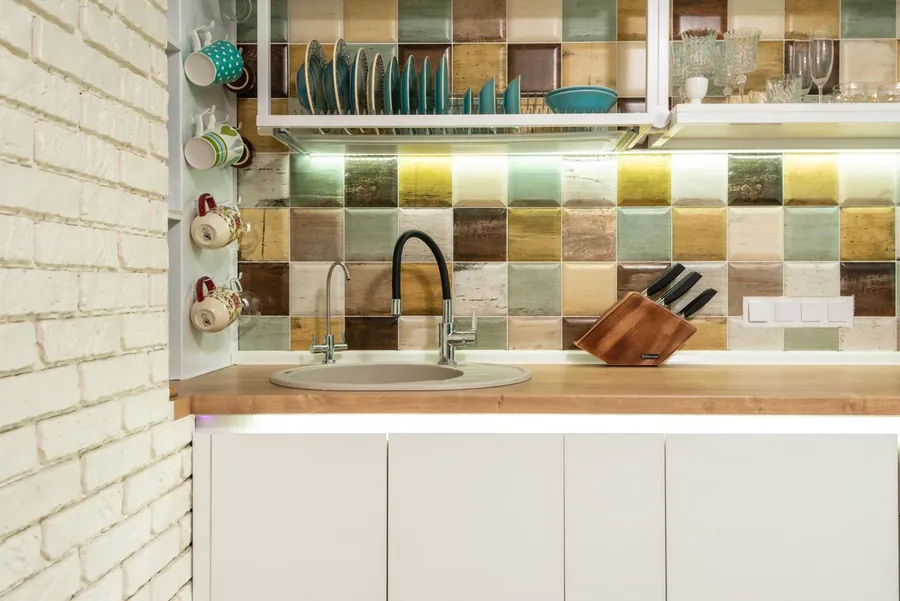
Before you buy, get the seller to list every unit by width and type, then draw your own walls to scale and see what goes where. Corner bases are the first thing to check. Most kitchens have one or two, each built for a specific layout, and a left-hand corner will not become a right-hand one.
Tall oven and fridge housings come next. They often need more height than a terrace back kitchen has once you allow for the ceiling and any boxing-in. Some showroom ranges, especially German-made ones, also use different carcass and plinth heights to the standard UK flat-pack sizes, which only matters if you plan to mix in new units - but most people end up doing exactly that. And if the old kitchen had the sink on a different wall, the sink base and the worktop cut-out both move with it.
If the only way to make it fit is to cut down several units and order new ones to fill the gaps, walk away. The deal is not there.
The Snags Nobody Mentions In The Advert
Even a kitchen that fits on paper can have gaps that only show up on the day the fitter opens the van.

Missing panels, plinths and fillers
End panels, plinths and cornice are cut to fit the original room and are often thrown away or broken during removal. They also tend to be the parts that are hardest to match later, because a showroom range may have been discontinued or the finish may have faded. Ask for photos of every loose panel before you agree a price.
Worktops cut for another room
Worktops are glued, sealed and cut for one layout. A laminate top with a sink cut-out in the wrong place is scrap. Stone tops are worse, as they are templated for one room and often crack when they are prised off. Plan on buying a new worktop and count anything reusable as a bonus.
Appliance warranties
Ex-display ovens, hobs and fridges look new, but the warranty may not be. Many manufacturer guarantees run from the date of first sale and depend on the original buyer’s proof of purchase. Ask for the invoices and model numbers, ask the manufacturer what is left, and check the models on the government’s product safety alerts and recalls list before you agree to take them.
Damage on removal
Flat-pack carcasses held together with cam fittings lose strength each time they are taken apart and rebuilt, as anyone who has moved house with a flat-pack wardrobe will know. Thin back panels split, drawer runners bend and doors get chipped in the van. Rigid, factory-built carcasses travel much better. If you are collecting from a house, budget for proper dismantling rather than a rushed job with a crowbar, and wrap every door separately.
What A Fitter Charges To Fit A Used Kitchen Compared With A New One
Fitting a second-hand kitchen takes longer than fitting a new one, not less. A new kitchen arrives in boxes designed for your room. A used one needs checking, repairing and adapting before the first unit goes on the wall.
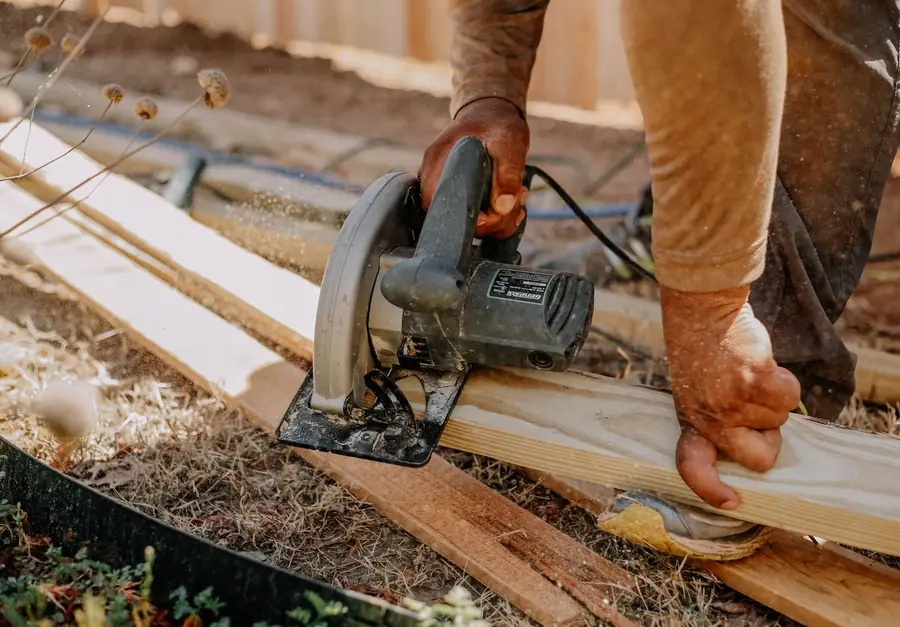
For a typical ten to twelve unit kitchen in Liverpool, here is how the joinery labour tends to compare in our quotes:
| New kitchen | Ex-display or used kitchen | |
|---|---|---|
| Joinery labour (fitting units, doors, worktop) | £1,200 to £2,600 | £1,500 to £3,400 |
| Extra time adapting and repairing | None | One to three days |
| Dismantling at the seller’s address | Not needed | Half a day to a full day, plus a van |
| Guarantee on the units | Supplier’s guarantee | Usually none |
Electrics, plumbing, tiling and plastering cost about the same either way. Any gas hob or cooker must be connected by a Gas Safe registered engineer whoever bought it, and you can check an engineer is Gas Safe registered through the HSE before they start. The one line that changes is the guarantee. Your fitter stands behind their own workmanship, but if a used carcass sags or a drawer runner fails a year later, that is on the kitchen, not the fitter.
When A Used Kitchen Turns Into A False Economy
There are kitchens that make sense second-hand and kitchens that do not. In our experience, the deal works best when it is a high-quality kitchen with rigid carcasses, the layout is close to your own, all the panels and plinths are there, and you were planning a new worktop anyway.

It tends to be a false economy when:
- The kitchen is a budget range that would cost little more new
- More than two or three units need replacing or cutting down
- The finish has been discontinued, so missing panels cannot be matched
- You would be paying a fitter for a day or two of dismantling plus extra adapting time
- Your room needs a different layout from the one you are buying
Buying any kitchen yourself moves the risk of shortages and measuring errors from the fitter to you. Our guide to supply only versus supply and fit in Liverpool explains how that risk works with new units, and it applies twice over to second-hand ones. The simplest protection is to send the parts list and photos to your fitter before you pay. An hour of their time looking at it costs far less than a van full of units that do not fit.
Frequently Asked Questions
How much cheaper is an ex-display kitchen than a new one?
Adverts usually quote 50 to 70 percent off the list price, but list prices on showroom kitchens are rarely what anyone pays. Measured against what the same kitchen would cost new after a normal discount, the real saving on the units tends to sit between 30 and 50 percent. Once you add new panels, plinths, a worktop and the extra fitting time, the saving on the finished kitchen is usually smaller again, often 15 to 30 percent.
Will a fitter install a kitchen I bought second-hand?
Most will, as long as they see it before you buy or at least before they quote. A good fitter will want a list of every unit with its width, the door sizes and the worktop lengths, plus photos of the backs and sides of the carcasses. They will price it as labour only, and they will not guarantee the units themselves, only their own workmanship.
Can I reuse the worktop from an ex-display or used kitchen?
Occasionally. A straight run of laminate or wood that is longer than your wall can be cut down, but a worktop with a sink or hob cut-out in the wrong place, mitred corners for a different layout, or a stone top templated for another room is usually not worth reusing. Stone in particular cannot be recut cheaply and often cracks when it is lifted, so plan on a new worktop and treat anything salvaged as a bonus.
Do appliances in an ex-display kitchen still have a warranty?
Sometimes, but do not assume it. Many manufacturer guarantees start from the date of first sale and are tied to the original buyer and the proof of purchase, so an oven that has sat in a showroom for three years may have little or no cover left. Ask the seller for the original invoices and model numbers, check them with the manufacturer, and check the models against the government’s product recall list before you hand over any money.
Found an ex-display or used kitchen and want to know whether it will work in your house? Send us the parts list and a few photos and we will tell you honestly. Get a free kitchen fitting quote in Liverpool.