
14 August 2026
Does Bespoke Joinery Add Value to a Liverpool Home?
Every joinery quote reaches the same moment. You are looking at £3,400 for a pair of alcove units, or £4,800 for a wall of wardrobes, and someone in the room asks whether you would get it back. It is a fair question and it deserves a straight answer rather than a sales one. Here is the short version: bespoke joinery in Liverpool sometimes lifts what a house sells for, more often it makes the house easier to sell, and a few popular jobs quietly cost you money. Those are three different outcomes and they get muddled together constantly. So they are worth pulling apart, against the cost bands we actually quote from - alcove units at £2,000 to £3,800 a pair, wardrobe walls at £2,500 to £6,000, a joiner’s day at around £280 - rather than against a made-up percentage.
Three Things People Mean by Value When They Price Up Bespoke Joinery in Liverpool

The first is resale price uplift. That means a higher number on the sold price, and it is genuinely hard to attribute to one item. A valuer works from comparable sales in your postcode, and there is no line on a mortgage valuation that says fitted wardrobes, add £4,000. If you want to see what actually moves prices in Merseyside, the UK House Price Index reports published on GOV.UK track it by local authority, and the movements you will see there are driven by the market, not by anyone’s shelving.
The second is saleability. How fast the house goes, how many viewings turn into offers, and how the listing photographs look on a phone screen at 9pm. This is where fitted work does most of its measurable good. A room with built-in storage photographs as a finished room. A room with a chest of drawers and three clothes rails on the back of a door does not, and every buyer scrolling listings in bed has already made that judgement before they ring the agent.
The third is usable living value, and for most people it is the real return. If you stay eight years, a £3,000 piece of custom joinery is under £1 a day for a hallway that works or a bedroom you can walk across. Nobody applies that logic to a sofa, yet a sofa leaves in the van. Keep the three separate as you read on, because a job can be brilliant on one and poor on another.
Does Fitted Furniture Add Value? The Storage That Reliably Pays Back
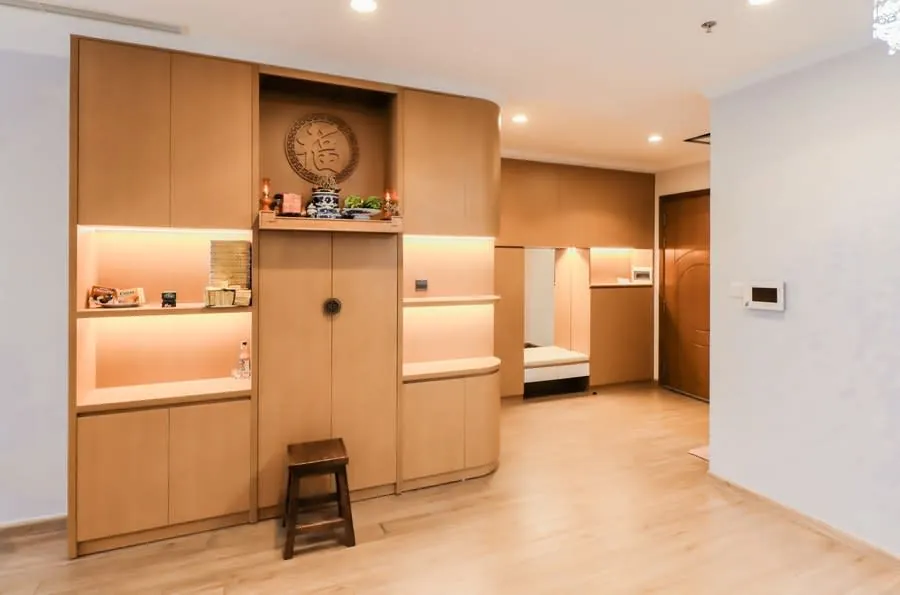
Joinery pays back best where the house has no storage at all and no sensible way to add any. That is not a marketing line. It is just where the gap between what a room does now and what it could do is widest, and the gap is the whole return.
In practice that means two things above all. Bespoke fitted wardrobes in a bedroom that currently has a rail behind a door, which start around £1,200 for a single alcove and run £2,500 to £6,000 for a full wall. And under stairs storage in a hallway where the void is currently a dark cupboard full of a vacuum and a bag of shoes, which runs £900 to £1,500 for a tidy-up with a proper door and lighting, or £1,500 to £3,500 for a full pull-out drawer system using the whole triangle.
Both do the same job for a buyer. They answer the question every viewer of an older Liverpool house asks silently in the first ninety seconds: where does everything go? Answer it before they ask and the house feels bigger than the floorplan says. Leave it unanswered and they price the house against one down the road that has a loft ladder and a garage.
Why Fitted Storage Is Worth More in a Liverpool Terrace Than a New Build
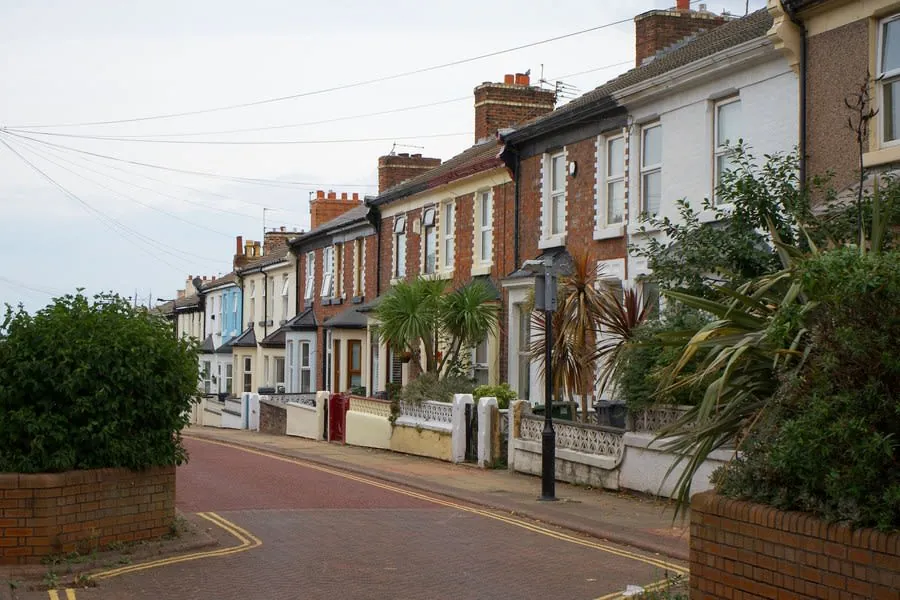
Victorian and Edwardian terraces in Wavertree, Anfield, Kensington, Toxteth and the Dingle were built with no fitted storage whatsoever. Not a cupboard, not a wardrobe recess, nothing. What they do have is a chimney breast projecting 300mm to 350mm into the room with an alcove either side, usually differing from each other by 20mm to 40mm, which is exactly the shape no shop-bought unit will ever fill. That mismatch is why alcove units are the single most common thing we build in this city, and why a pair at £2,000 to £3,800 looks like part of the house rather than furniture that happens to be standing there.
Compare that with a dockside apartment in the Baltic Triangle or a recent estate build in Speke. Those come with a hallway cupboard and a bedroom recess already sized for a rail. Adding joinery there is a refinement, not a rescue. It still improves how you live, but the gain is smaller because the baseline is higher, and buyers of new builds are not walking round wondering where the coats go.
The 1930s semis in Childwall, Allerton, Mossley Hill and West Derby sit somewhere in the middle, and they have their own specific problem: the third bedroom. A box room of two and a half by two metres will not take a freestanding double wardrobe and a bed at the same time. Fitted work is the only thing that makes that room count as a proper bedroom, which is a genuine value argument rather than a taste one. One local caution on finish. Out towards Crosby, Waterloo and Formby the air is salty and damp, and site-applied paint in an unheated north-facing room cures slowly, so anything painted in place there wants time and warmth or it picks up marks for months.
Bedrooms Are the Line You Should Not Cross
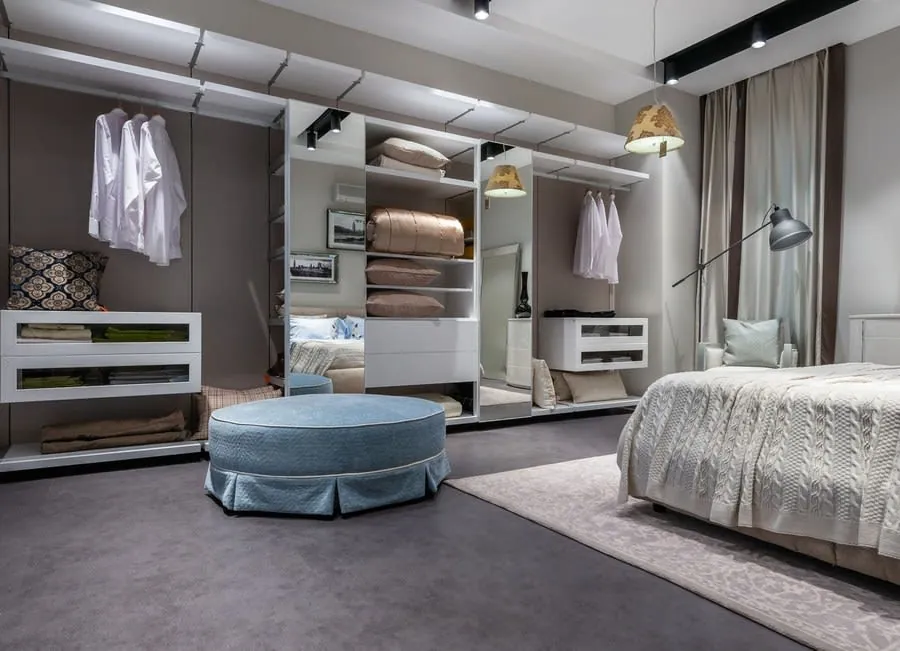
This is the part most joinery companies skip, so here it is plainly. Turning a bedroom into a dressing room usually costs you money at sale. A three-bed house sells to a bigger pool of buyers than a two-bed with a dressing room, property portals filter on bedroom count before anyone reads a word of your description, and a family looking at Childwall or West Derby will simply not see your listing if the count drops. That is not a small effect. It is the difference between being on the shortlist and not being on the list.
There is also a rough sense of what counts as a usable single bedroom. The government’s minimum room size rules for licensed houses in multiple occupation set 6.51 square metres for one adult. Those rules apply to licensed rentals rather than to selling your own home, but they are a useful reality check: if the room you are giving up is comfortably above that, a buyer will count it as a bedroom and will notice when it has gone.
None of this means you cannot have the dressing room. It means build it so it can be undone. A walk-in wardrobe conversion at £3,000 to £6,000 should leave the walls where they are, the door swinging as it did, the radiator and switches in bedroom positions, and the units fixed to battens so they come off a wall in an afternoon rather than being bonded and painted into the plaster. Do that, and you have bought yourself years of use without narrowing your buyer pool permanently. The other side of this is area. Around Smithdown Road and parts of Kensington, where student and shared lets are common, bedroom count is the whole game. In family streets in Mossley Hill, quality of the remaining rooms carries more weight.
Home Offices Since Hybrid Working, and How Buyers Read Them Now
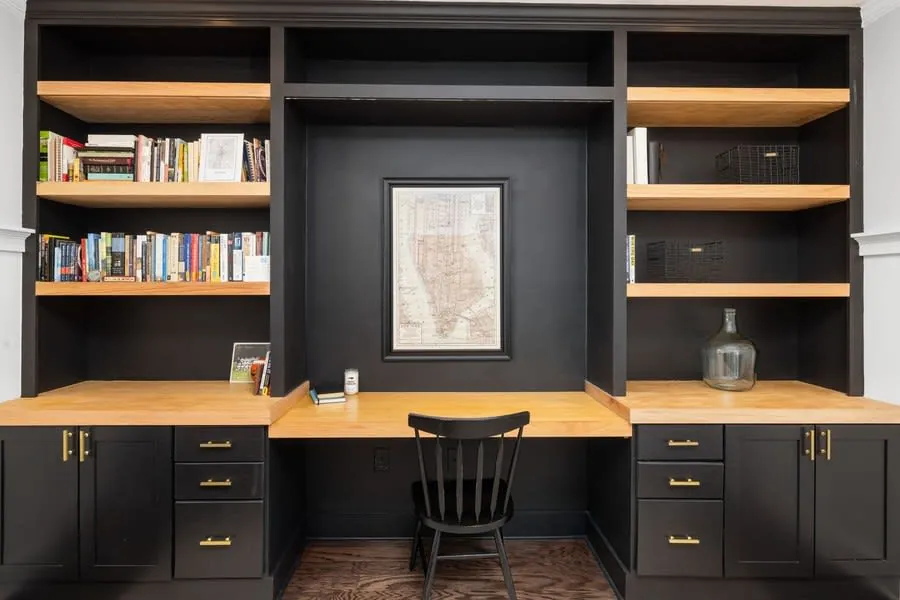
Buyers read a workspace completely differently to how they did before 2020. A room that can hold a desk, two screens and a door that shuts is now on a lot of people’s must-have lists, and a house with nowhere to work gets marked down quietly. So a fitted home office is one of the few pieces of joinery that has moved from personal preference towards expected feature within a few years.
The catch is the same one as above. A room built only as an office is a room that has stopped being a bedroom. The version that works commercially is the one designed to be read both ways: a desk at a height that also works as a dressing table, cupboard fronts that look like fitted wardrobes, and a clear zone where a double bed obviously goes. An alcove desk with shelving above runs £1,200 to £2,500, a full wall of desk and storage £2,500 to £5,500. The alcove version is the safer money, because it uses space that was never going to hold furniture anyway and it leaves the rest of the room alone.
If you have no spare room to give, the under-stairs desk nook or a landing workstation is the honest answer, at roughly £2,000 to £4,000 with power and lighting. It sells the idea of a workspace without spending a bedroom to do it.
Quality Is What Gets Valued, Not the Fact That It Is Fitted

Badly built fitted furniture is worth less than nothing. It is a liability, because a buyer cannot take it away without making good the wall behind it, and they will price that job into their offer. Anyone who has walked round a house and seen a run of wardrobes with a 15mm filler strip down one side, doors that do not line up, and brush marks standing proud in gloss knows exactly what that room does to a viewing.
What buyers actually register, even if they could not name it: a workshop spray finish that is flat and even rather than ribbed with brush marks. Soft-close hinges and runners from a brand you can still buy spares for, so Blum, Hettich or Grass rather than unbranded. A scribed junction where the unit meets a wandering wall and the skirting, with a tight consistent line instead of a fat bead of caulk doing the joinery. Door gaps the same top and bottom on every door. Those four things are the difference between a fitted feature and a fitted problem, and they are mostly what separates a £2,000 alcove pair from a £3,800 one.
If you are choosing who does the work, our guide on how to choose a joiner in Liverpool covers the checks worth making before you pay a deposit. And if you want a properly independent opinion on what your house is worth with and without the work, a chartered surveyor is the person to ask. RICS, the professional body for chartered surveyors, lets you find a regulated firm near you. An hour of their time is cheaper than guessing at £5,000.
What Bespoke Joinery Costs in Liverpool Against What It Returns

Here are the real bands, and no invented percentages to go with them. Floating alcove shelves from £450 per alcove. A base cabinet with shelves above, £850 to £1,600 per alcove. A pair of full-height alcove units, £2,000 to £3,800. Under stairs, £900 to £3,500 depending on how much of the triangle you use. Fitted wardrobes, £1,200 for a single alcove up to £6,000 for a full wall. A media wall, £1,800 to £5,500. A fitted office, £1,200 to £5,500. Small one-off work is priced from around £280 a day plus materials.
Now the honest arithmetic. Nobody can tell you that £3,000 of joinery returns £3,000 at sale, and anyone quoting you a neat percentage has made it up. What you can say with a straight face is this: the lower-cost storage jobs carry the least risk, because the sums are small enough that even a partial return leaves you ahead and the daily use is worth having regardless. A £1,200 under-stairs drawer system in a terrace with no cupboards is a low-risk spend. A £9,000 dressing room in a three-bed is a high-risk one, and it should be justified by how much you want it, not by a resale story.
The other figure worth holding onto is time. Two to four weeks from survey to fitting, with one to three days of it actually in your house. Compared with almost any other improvement that touches how a house lives, that is a short disruption for a long payoff.
Selling Within 12 Months? What Is Actually Worth Doing
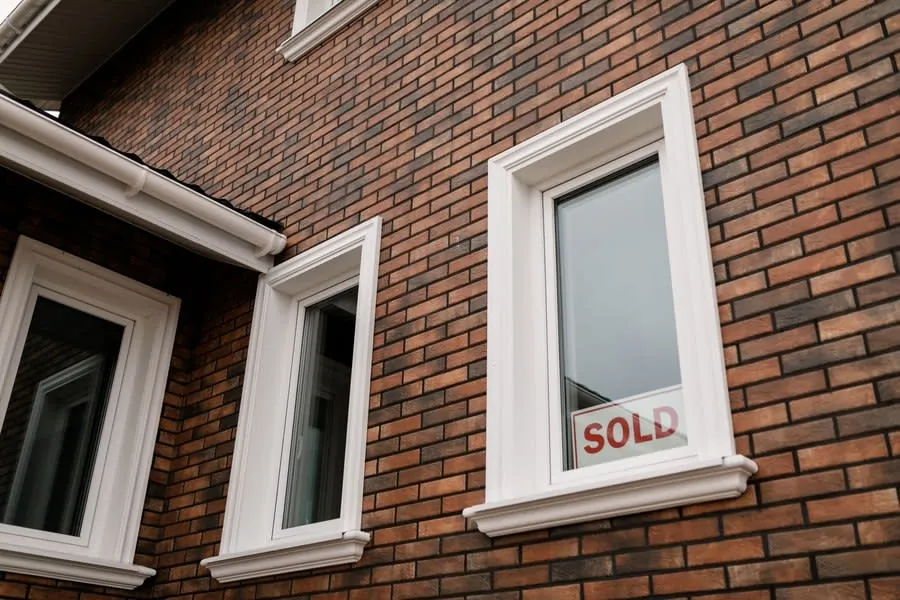
The calculation changes completely if you know you are moving. Now you are buying saleability only, so the target is objections removed and photographs improved, at the lowest sensible spend.
Worth doing. Sort the hallway, because it is the first thirty seconds of every viewing and an under-stairs tidy-up at £900 to £1,500 gets a proper door, lighting and shelving into the space that currently swallows the hoover. Put floating shelves in the front room alcoves from £450 each, which is the cheapest way to make a period room look finished in a photograph. Fix what is already broken: sagging shelves, a wardrobe door that will not shut, a chipped melamine edge. Buyers score defects far harder than they reward extras, and I have never once heard of an offer going up because of a feature wall.
Not worth doing. A full dressing room. A media wall built around your TV and your seating position. Anything in a bold personal colour. Any conversion that changes what a room is called. And do not start a big job three weeks before the photographer comes, because half-finished joinery on a listing is worse than none.
The general shape of it is simple enough. If you are staying, buy the joinery you will use every day and enjoy it. If you are selling, buy the small stuff that removes objections, and leave the rest to the person who buys the house.
Frequently Asked Questions
Does bespoke joinery add value to a house in Liverpool?
Sometimes, and rarely in the way people expect. A surveyor values the house, not the wardrobe, so no single fitted piece has its own line on a valuation. What good joinery reliably does is make a house easier to sell: it photographs well, it answers the storage question buyers ask in every Liverpool terrace, and it removes an objection rather than adding a premium. The joinery that comes closest to paying back is storage built where the house has none.
Do fitted wardrobes add value or put buyers off?
Fitted wardrobes in a room that still reads as a bedroom are a plus, because most Victorian and Edwardian Liverpool houses have no built-in storage at all. They put buyers off when they swallow the whole room, when the finish is poor, or when they are so personal that a buyer is mentally pricing the skip. Keep a bed-sized zone clear, keep the colours calm, and a wall of wardrobes at £2,500 to £6,000 reads as a feature rather than a job to undo.
Will converting a box room into a walk-in wardrobe hurt my sale price?
It can, and this is the one to think hardest about. A three-bed semi in Childwall or West Derby sells to a different and larger pool of buyers than a two-bed with a dressing room, and portals sort on bedroom count before anyone reads the description. If you want the dressing room, build it so it can be reversed: no walls moved, no door blocked, units fixed to battens rather than bonded in, and the radiator and light switch left where a bedroom would want them.
Is a media wall worth it if I might sell in a couple of years?
For your own use, yes, they are one of the most enjoyed pieces we build. As a resale bet, be careful. A media wall runs £1,800 to £5,500, the TV size and seating position are personal to you, and an inset electric fire in a room that already has a working chimney can read as a fixture a buyer has to live with. If a sale is close, spend the money on storage instead and leave the feature wall to whoever buys the house.