
31 August 2026
Moving The Sink, Hob Or Boiler In A Liverpool Kitchen: What It Costs
Most kitchen refits in Liverpool keep the sink, hob and boiler roughly where they were, and the price stays sensible. The moment you slide the sink under the window, put the hob on an island, or evict the boiler from that cupboard in the corner, the quote changes shape - suddenly a plumber, a Gas Safe engineer and an electrician all need to rebuild the room’s services before a single cabinet goes in. None of this is a reason to keep a layout you hate for another twenty years. It is a reason to know the numbers before you fall in love with a drawing. Here is what each move involves, what it tends to cost across Liverpool, and where the money quietly disappears.
Why Services Are The Expensive Part Of A New Layout
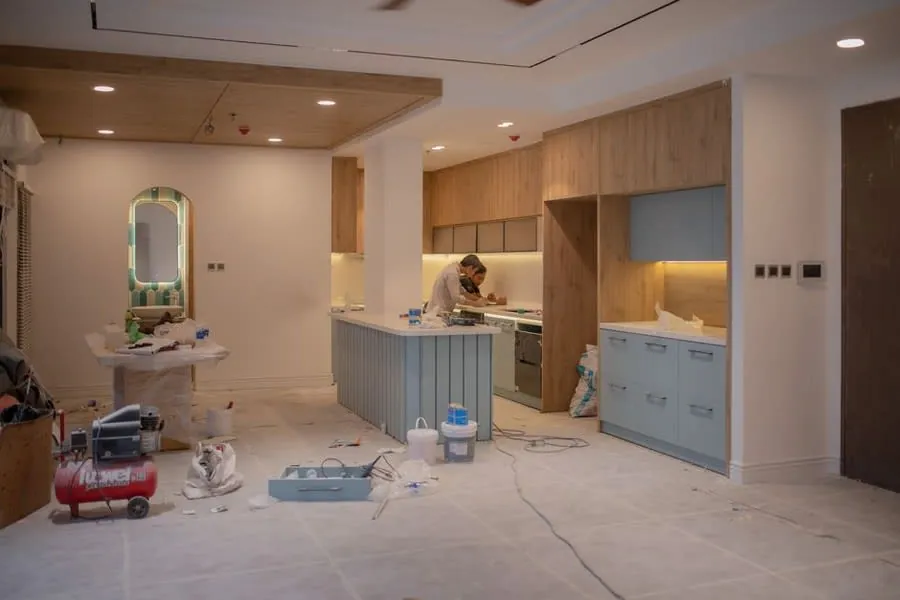
Cabinets are a catalogue purchase. Pipes and cables are labour, and labour in awkward places. When a kitchen renovation keeps the services where they are, first fix might be a morning’s work. When everything moves, first fix becomes days: floors up, walls chased, new runs tested, then everything made good before the fitting proper starts.
The other thing that catches people out is sequencing. Service moves happen at the very start of the job, which means the decisions have to be made at the very start of the design. Change your mind about the island once the screed has gone back down and you are paying to break it open again. This is why we push clients to settle the position of the sink, hob and appliances before any units are ordered - it is the one part of the plan that is genuinely painful to revise later.
As a rough rule for budgeting: shifting one service along a wall is hundreds, moving several services across the room is comfortably over a thousand, and relocating a boiler on top of that can double it.
Moving The Sink: It Is The Waste Pipe That Decides The Price
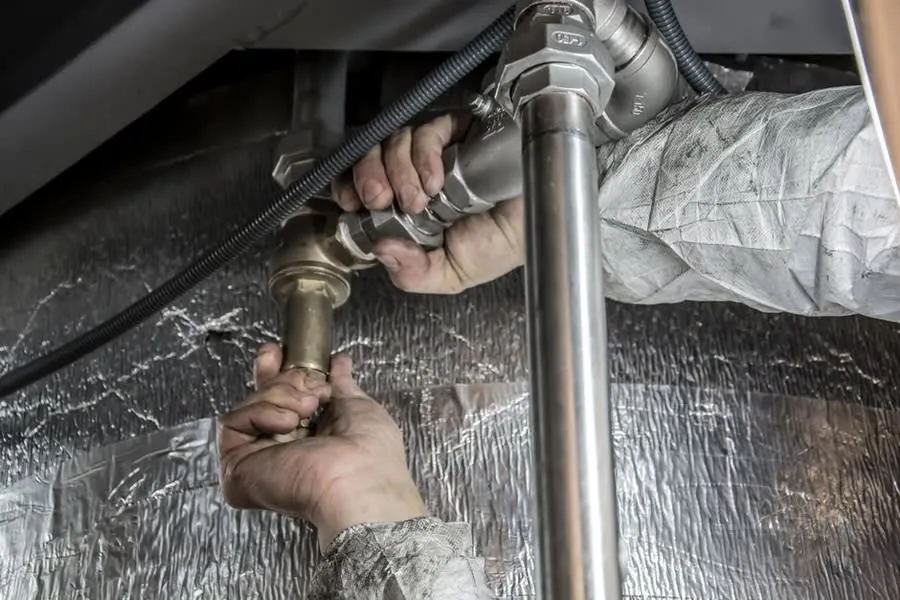
Hot and cold supplies are the easy half. They run under pressure, so they will happily travel up, along and around obstacles to wherever the new sink sits. The waste is the half that sets the price, because it drains by gravity alone and needs a continuous downhill fall all the way to the soil stack or gully - drop below that and you get slow draining, gurgling and smells.
Along the same wall, a metre or two of extension is straightforward and £250 to £500 covers most cases. Across the room, the fall has to be maintained over a much longer run. Under a suspended timber floor there is space to do that neatly. On a solid ground floor - which is what most Liverpool back kitchens have - there is nowhere to hide the pipe without cutting a channel into the concrete, so the realistic choices are chasing the floor, boxing the pipe along the wall behind the plinths, or rethinking the sink position. That is where £500 becomes £1,000.
One more thing worth doing while the water is off: if your house still has its original lead supply pipe, this is the cheapest moment you will ever have to replace it, because the floor is already up. WaterSafe, the national register of approved plumbers, is the place to find someone qualified to do that properly.
Gas: Rerouting The Hob Supply, Or Getting Rid Of It
Gas is the one service where who does the work is not up for debate. Extending, rerouting or capping a gas supply is engineer-only work under the Gas Safety regulations, and the Health and Safety Executive’s domestic gas guidance is blunt about it: unregistered gas work is illegal, full stop. Expect £150 to £350 to move a hob supply within the room, depending on how far the pipe travels and what it has to get through on the way.
Capping the supply off is cheaper - usually £60 to £120 - and more people are choosing it than five years ago, because swapping to induction removes the gas line from the kitchen entirely. Just be aware the saving on the gas side reappears on the electrical side, because induction needs its own circuit, which brings us to the next section.
A hob on an island deserves a special mention. Running gas out to the middle of a solid floor is one of the most disruptive moves you can ask for. If your heart is set on an island hob, induction is nearly always the saner route.
Electrics: New Circuits, Part P And The Paper Trail
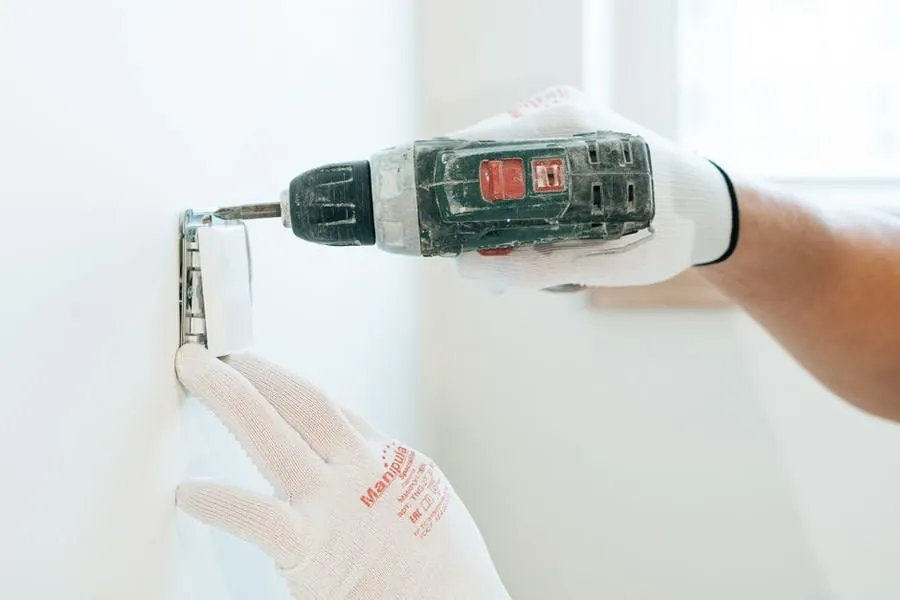
Moving sockets that already exist is modest money during a refit, because the walls are open anyway. The cost jumps when you need a new circuit - and an induction hob almost always does. Most models want a dedicated high-current feed on thick cable straight from the consumer unit, and depending on how far your consumer unit is from the kitchen, £300 to £600 is the usual bracket. In a terrace where the consumer unit sits by the front door and the kitchen is at the back of an outrigger, the cable run is the whole cost.
New circuits are notifiable under Approved Document P, the electrical safety part of the Building Regulations. In practice that means using an electrician on a competent person scheme who certifies their own work, and you get a certificate through the post a few weeks later. We covered what needs signing off across a whole refit in our guide to planning permission and building regs for Liverpool kitchens - the short version is that the paperwork is cheap now and expensive to recreate when you sell.
While the electrician is there, count your sockets honestly. Adding two doubles mid-refit costs a fraction of adding them after the tiling is done.
The Boiler In The Corner: Box It, Move It Or Replace It
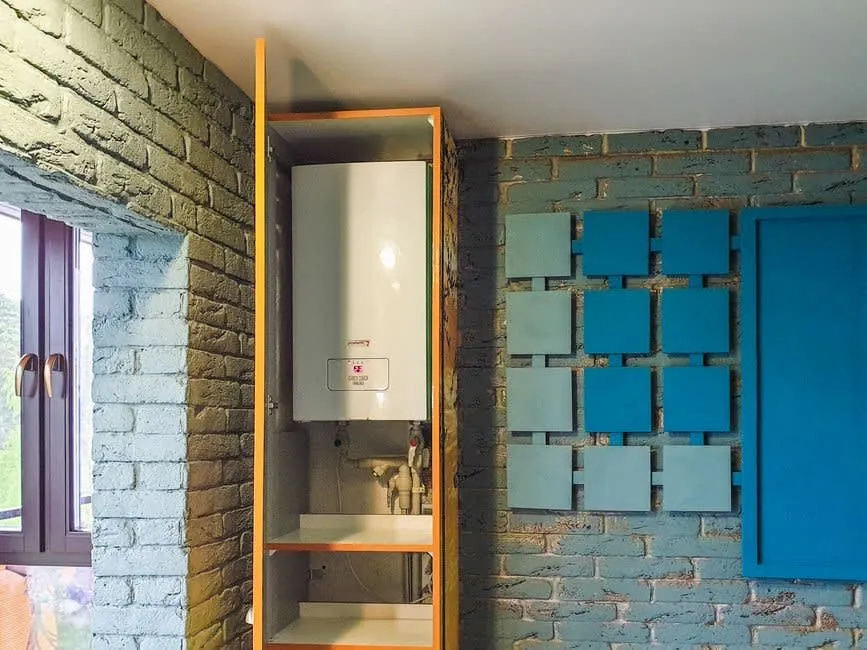
Huge numbers of Liverpool homes have a combi hanging on the kitchen wall, usually in the worst possible place for the new layout. There are three ways out, at three very different prices.
Boxing it in is the cheap one. A tall unit or a made-to-measure cupboard with ventilation and access for servicing hides the boiler completely, and because we build cabinetry in-house it is often the neatest £150 to £300 anyone spends on the whole job. Moving the boiler is the expensive one: a new flue position, a re-run gas supply, re-piped flow and return, and a condensate route to a drain, which lands at £800 to £1,500 in labour and parts even before any surprises. Replacing it is the middle path that often wins - if the boiler is past ten years old, a new one can be installed directly onto the wall you actually want, so you pay for one visit and one lot of making good instead of two.
What we steer people away from is moving a boiler that is nearly done. Spending £1,200 relocating a fourteen-year-old combi means paying most of that again when it fails.
What Liverpool’s Housing Stock Adds To The Job

The classic Liverpool kitchen lives in the back of a Victorian or Edwardian terrace - Wavertree, Walton, Old Swan, Anfield - often in the original outrigger, the narrow rear wing the house was built with. Those rooms have a quirk that matters here: every service enters and leaves on one or two walls. The stack, the gas run, the stopcock and often the boiler all cluster together, which is exactly why the sink has sat in the same corner since the 1970s. Moving it means working against a century of pipework that was never designed to go anywhere else.
Older solid brick walls also chase less kindly than modern blockwork, and the back kitchen floor is very often a solid slab - sometimes several generations of slab - laid long before anyone thought about running services through it. In the city’s interwar semis out towards Childwall and West Derby the picture is friendlier: floors are more often suspended timber, and there is usually a joist void to carry a waste run across the room.
None of this makes a layout change impossible in a terrace. It just means the survey matters. A fitter who quotes you for moving the sink without lifting a floorboard or finding the stack is guessing, and you will meet the real number mid-job.
Keeping The Bill Down Without Keeping The Layout
The good news is that most of the cost lives in the extremes, and a few planning habits pull it right back:
- Keep the wet wall wet. Moving the sink along its existing wall costs a fraction of moving it across the room, and a run of drawers where the sink used to be changes how a kitchen feels without touching the waste.
- Cluster the water users. Sink, dishwasher and washing machine sharing one supply-and-waste point is one plumbing job, not three.
- Choose induction for islands, because electric cable travels across a room far more cheaply than gas pipe.
- Do everything in one first fix. Every extra socket, spur and pipe move costs least while the room is stripped - the expensive version of any of these jobs is the one booked after the plaster is back on.
- Get the moves priced as their own lines on the quote, with the engineer’s and electrician’s certification included, so you can see what the layout change is actually costing you and decide with real numbers.
Based on the jobs we price, it is common for people to assume a layout change adds a few hundred pounds when the honest figure is over a thousand - and just as common to assume a move is unaffordable when it is a £300 tweak. Either way, the drawing should come after the numbers, not before.
Frequently Asked Questions
How much does it cost to move a kitchen sink in Liverpool?
Shifting a sink a metre or so along the same wall usually sits in the £250 to £500 range, because the hot, cold and waste runs only need extending. Taking it across the room is a different job - the waste pipe needs a steady downhill fall the whole way, which can mean lifting floors or boxing in pipework, and £500 to £1,000 or more is realistic. If your ground floor is solid concrete rather than timber, budget towards the top of that range.
Can any fitter move a gas hob?
No. Any work on the gas supply - extending it, rerouting it, or capping it off - must be done by a Gas Safe registered engineer, and that is a legal requirement rather than a recommendation. A good fitting team will have a registered engineer they bring in for that day. Ask for the engineer’s Gas Safe number before the work starts and check it on the register; the card has a photo and a licence number on the back.
Does moving kitchen electrics need Building Regulations approval?
New circuits do. A dedicated cooker circuit for an induction hob, or a new circuit feeding an island, counts as notifiable work under Part P of the Building Regulations in England. The tidy route is using an electrician registered with a competent person scheme, who self-certifies the work and lodges it with the council for you. You should receive a certificate afterwards - keep it, because a solicitor will ask for it when you sell.
Is it worth moving the boiler during a kitchen refit?
It depends on the boiler’s age. Moving a healthy boiler to a bedroom cupboard or the loft typically costs £800 to £1,500 once the flue, gas run and condensate pipe are re-made, which is dead money on a boiler with three years left in it. If the boiler is over ten years old, folding a replacement into the refit often makes more sense - the new one goes straight onto the wall you actually want, and you pay for the disruption once rather than twice.