
1 August 2026
How Much Does Under Stairs Storage Cost in Liverpool? (2026 Price Guide)
Under stairs storage is one of those jobs where the quotes come back wildly apart, and it is hard to tell whether you are being sold a better build or just a bigger number. So here is the plain version. Across Liverpool, a simple tidy-up of the cupboard you already have costs £900 to £1,500. A full pull-out drawer system that uses the whole triangle runs £1,500 to £3,500. Add a desk, power and lighting and you are at £2,000 to £4,000. That void is around two cubic metres in a standard terraced flight, which is a lot of house to leave holding one dead hoover. This guide breaks the under stairs storage cost down by component, so when three quotes land in your inbox you can see which one has actually priced the drawer runners.
What Under Stairs Storage Costs in Liverpool
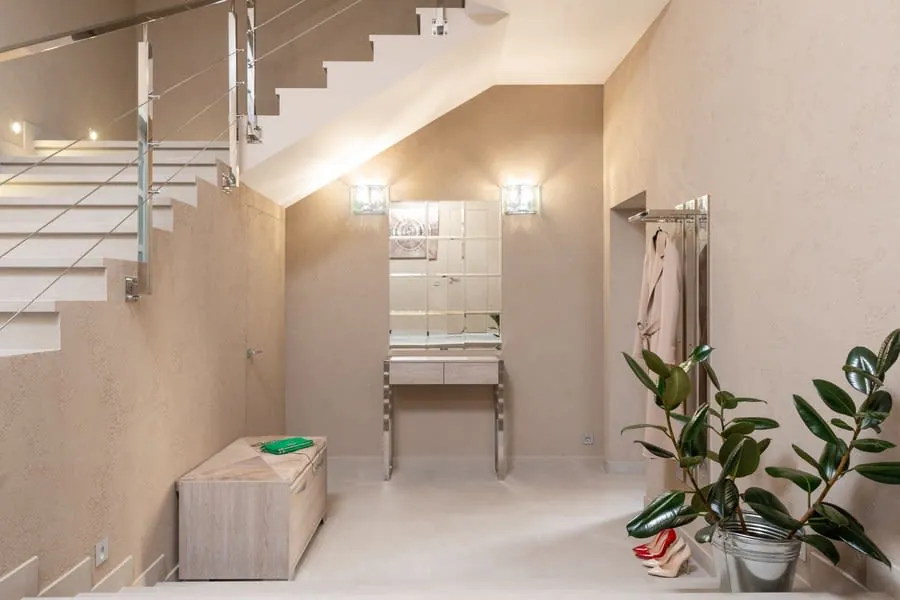
There are three tiers, and our own under stairs storage service is priced around them. Tier one is the tidy-up: you keep the existing opening, but get proper shelving, a light, and a door that shuts flush instead of catching on the skirting. That is £900 to £1,500. Tier two is the one most people are actually after, a full pull-out drawer system built into the whole slope with cupboards in the tall end, at £1,500 to £3,500. Tier three swaps part of the void for a desk or office pod with a socket and lighting, £2,000 to £4,000.
The spread inside each tier is not padding. A two-drawer bank under a short terraced flight in Kensington is a different job from five deep drawers, a shoe pod and a hinged meter panel under a 1930s staircase in Childwall. Length of the flight, number of drawer banks, and what the fronts are made of move the figure more than anything else. If someone gives you a fixed price before they have seen your stringer, they are guessing, and the correction usually arrives after the old panel comes off.
The Cost Broken Down: Carcass, Runners, Fronts, Finish and Fitting
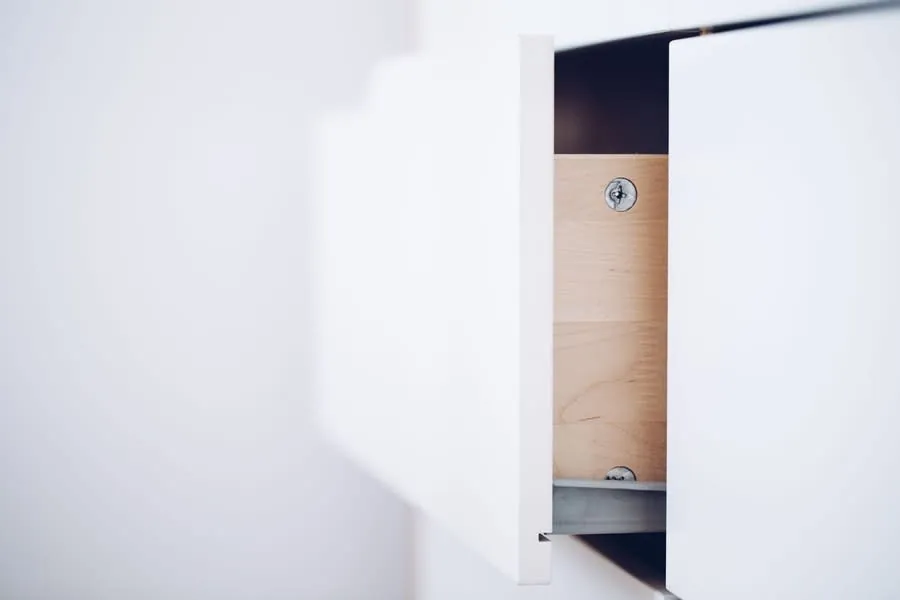
Here is where the money goes on a Liverpool build. These are realistic component ranges, and they stack up to the tiers above rather than contradicting them:
- Carcass materials (18mm moisture-resistant MDF or birch ply, battens, fixings): £150 - £550. A full-triangle build eats four to eight sheets. Sheet prices have not been kind since 2021.
- Drawer boxes, runners and hardware: £70 - £190 per drawer. Full-extension, side-mounted soft-close runners rated to 40kg are £25 to £60 a pair before the box is even made. Four to six drawers puts this at £300 - £1,000, and it is the line cheap quotes shave first.
- Doors and drawer fronts: £120 - £320 each. Plain slab fronts sit at the bottom, shaker and tongue-and-groove at the top. Two doors and four fronts is £500 - £1,400 on its own.
- Finish (filling, sanding, hand-painting or spray): £200 - £700. Spray-finishing fronts off site costs more than brushing them in the hallway but looks better under a downlight.
- Electrics (LED strip, drawer switch, a double socket, certificate): £180 - £450. More if the consumer unit needs anything doing to it.
- Fitting labour: £180 - £260 a day for a joiner in Liverpool, over 2 to 4 days. Call it £400 - £1,000, plus a decorator’s day if the hallway is being made good.
Take the bottom of each line for a single-door tidy-up and you land near £900. Add drawer banks, painted shaker fronts and lighting and you are into the £3,000s. Stacking choices, not one fixed number.
Pull-Out Drawers vs Cupboard Doors vs Open Shelving
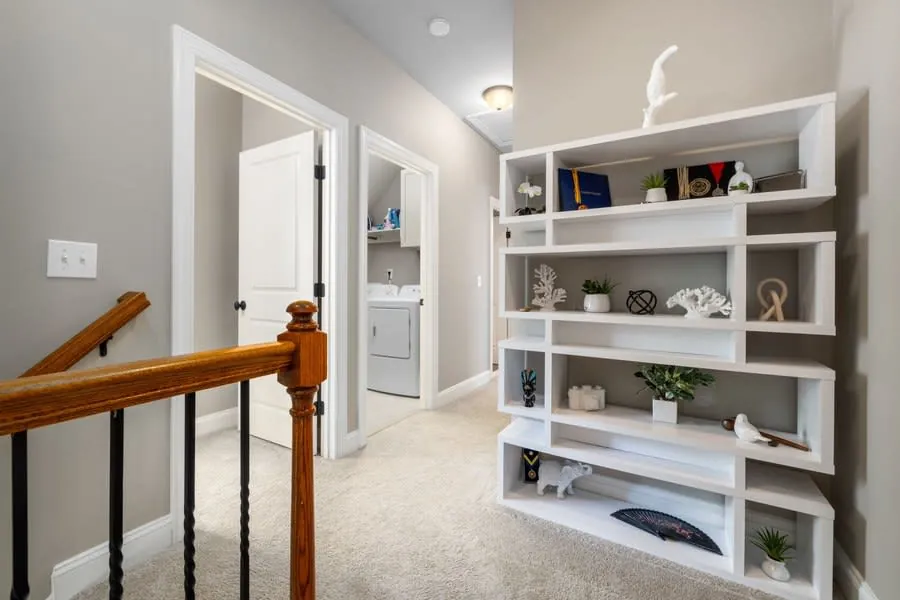
Open shelving is the cheapest way to fill the tall end, roughly £250 to £600 for a set of angled shelves scribed to the slope. It looks good with books or baskets on it and terrible with a tangle of chargers and school bags, which is what most hallways actually produce. Hinged cupboard doors are the middle option at around £400 to £900 for a run, and they hide everything, but you are still kneeling in the dark to reach the back.
Pull-out drawers are the expensive one and they are worth it in the deep, sloped section. A 900mm-deep drawer brings the back of the void out into the hall where you can see it, which is the whole point. In a two-up two-down with a 900mm hallway that matters more than it sounds. The sensible split most people land on is drawers in the low and middle sections, a cupboard or hanging space in the tall end, and open shelving only if the hallway is wide enough to look at it. The same logic we apply to awkward spaces in kitchen storage applies here: put the pull-outs where you cannot reach, and the cheap fixed shelves where you can.
Victorian Terraces vs 1930s Semis: How Your Staircase Changes the Price
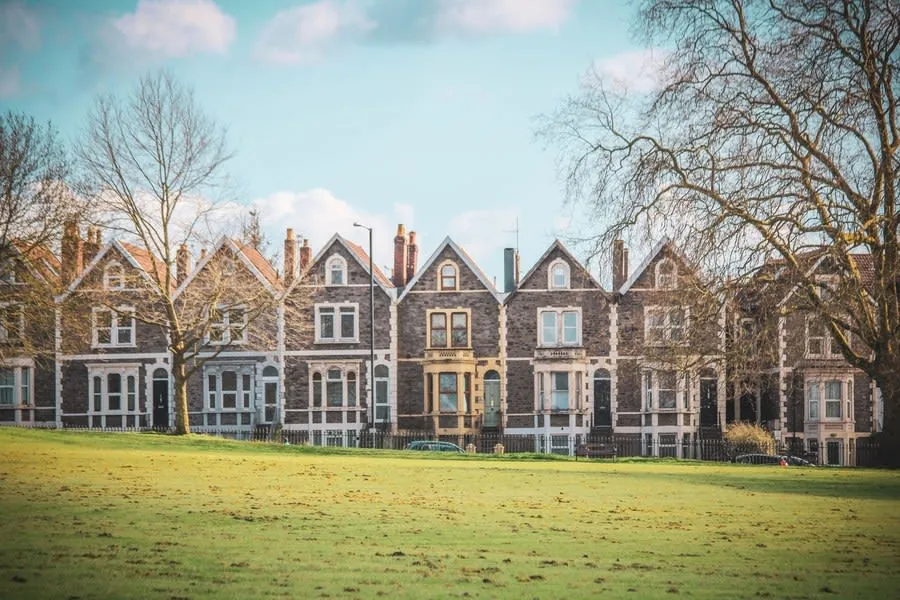
The house type genuinely changes the number. A Victorian terrace in Wavertree, Anfield or the Dingle usually has a steep straight flight, a boxed spandrel panel with one small door in it, and a hallway barely 900mm wide. The void is long and narrow. Nothing in it is square. After a hundred and twenty years of settlement the stringer is rarely straight and rarely plumb, so every carcass gets scribed on site, and the walls are often plaster on lath, which means fixings go into the studs and battens rather than the wall face. That scribing is skilled time, and it is why a terrace job usually costs a few hundred more than the same volume in a new build.
A 1930s semi around Childwall, Allerton, Mossley Hill or West Derby is a friendlier job in some ways and worse in others. The hall is wider, the void often opens two ways, and there is more usable headroom at the tall end. But many of those staircases turn with winders at the top, so the ceiling of the void is not one clean slope, and a fair few have had a downstairs WC squeezed under there in the 1990s, which means a soil pipe to design around. Dockside and Baltic Triangle apartments are the easy end: square openings, plasterboard, everything plumb. None of this needs planning permission, by the way, because it is internal joinery. But if you are in one of the city’s designated conservation areas and the staircase still has its original balustrade or spandrel panelling, check before anything gets cut.
The Awkward Stuff in the Void: Meters, Fuse Boards and Stop Taps
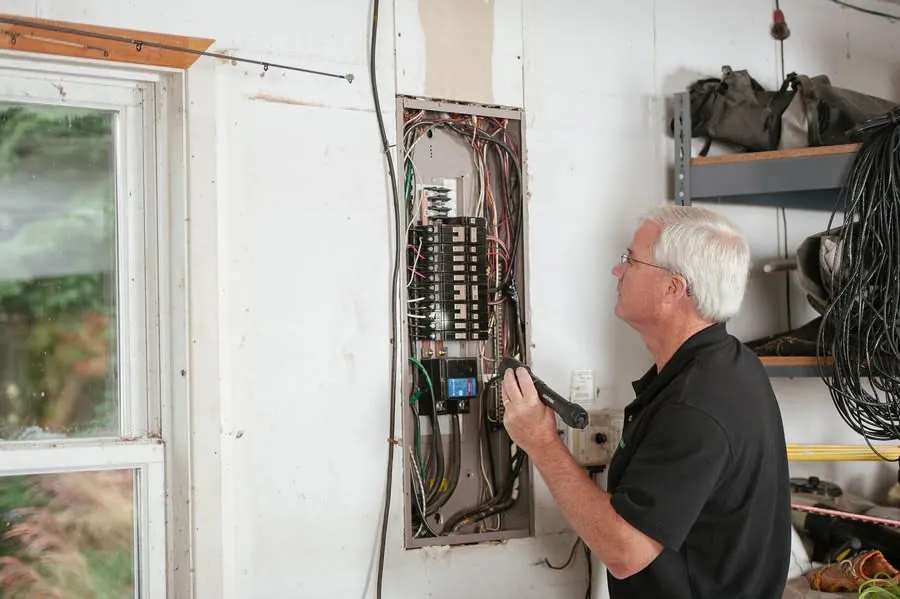
Open the panel on a Liverpool terrace and there is a decent chance you will find the electricity meter, the consumer unit, the internal stop tap, the rising main and, in houses that never had the supply moved outside, the gas meter as well. Sometimes the Openreach master socket too. All of it needs to stay reachable, and none of it can be boxed in permanently. That is not a preference, it is what a meter reader and any future electrician will need.
In practice this means part of the run is a hinged or lift-off panel rather than a drawer bank, with working clearance left around the consumer unit so a board change does not mean cutting your new joinery apart. Expect that to add roughly £120 to £350. It is bespoke panel work, and it costs more than a plain door because it has to match the rest and still come off in thirty seconds. Gas meters have one extra rule: anything enclosing one needs ventilation and easy access, so the panel in front is never sealed tight. If a quote does not mention the meters at all, ask before you sign. The alternative is finding out on day three that a drawer bank has to become a cupboard, at your cost.
Adding Electrics or a Desk Nook Under the Stairs
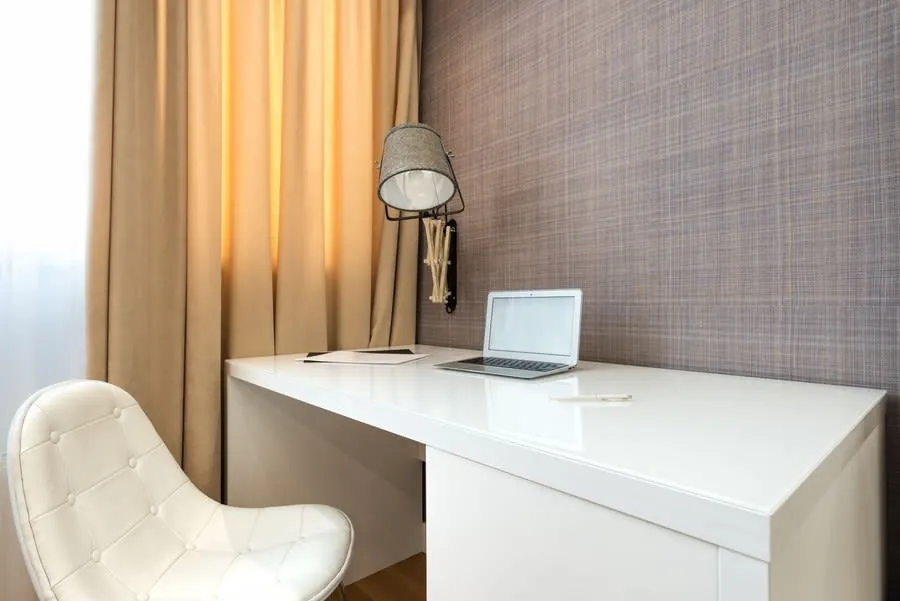
Lighting changes an under-stairs unit more than anything else you can spend £200 on. An LED strip on a drawer switch means you stop reaching into a black hole, and it usually comes in at £180 to £450 fitted with the certificate. A desk nook needs more: a double socket, ideally a data point, and a light that is not just the hall pendant behind your head. New sockets and hard-wired lighting are notifiable work under Part P of the Building Regulations, which means a qualified electrician does it and issues the paperwork. Electrical Safety First explains what Part P covers, and it is worth two minutes of reading before you agree to anyone running a spur off the hall light.
The desk version lands at £2,000 to £4,000 because you are paying for a 600mm-deep worktop, shelving above it, the electrics, and usually panelling to make the hall look deliberate rather than like a computer shoved in a cupboard. In a two-bed terrace where the alternative is giving up the back bedroom, that is a straightforward trade. Head height is the thing to check first: you want the seated position under the tall end, not the slope. Our fitted home office work is often built as one job with the storage, which saves a second set of setup days.
What You Can DIY and What Needs a Joiner
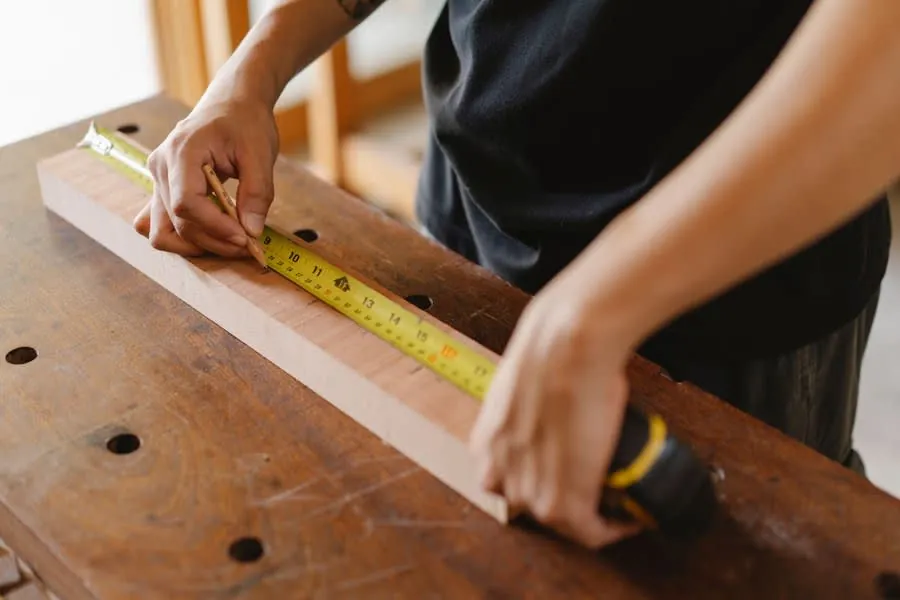
Plenty of this is DIY-able and there is no point pretending otherwise. Ripping out the old shelf, painting the void, fitting a square unit in the tall end, hanging a coat rail, sticking in battery puck lights: all fine with a level and a Saturday. Materials for that are £150 to £400.
The sloped section is where it turns. Scribing a carcass to a stringer that is neither straight nor plumb takes a scribing block, a decent saw and a lot of patience, and a 40kg drawer running true inside a leaning box is not a first project. Neither is a hinged meter panel that lines up with everything else. The electrics have to be certified either way. What we usually get called to is a half-built run where the drawers rub on one side and the gaps round the fronts are all different, and putting that right costs more than the original quote because the carcass has to come out again. Rough rule: if the box is square, have a go. If it follows the slope, holds weight, or carries a cable, pay someone.
Does Under Stairs Storage Add Value in Liverpool, and How to Get an Honest Quote
Do not expect a fixed uplift on the valuation. What under stairs storage does in a Liverpool terrace is fix the first thing a buyer sees, which is a narrow hall with coats on the newel post and shoes on the floor. Storage is the standing complaint about two-up two-downs and small semis, so a tidy fitted run that clearly stays with the house reads well on a viewing. A wonky one with silicone filling the gaps reads worse than nothing.
For a quote you can trust, insist on a measured site visit and a drawing. The quote should list joinery, hardware, fronts, electrics and decoration as separate lines, and it should say what the drawer runners are rated for and which panel gives meter access. Get three, and be suspicious of the cheapest if it is silent on runners or scribing, because that is normally where the difference lives. Checking a firm against a body like the Federation of Master Builders is a reasonable extra step, as is asking for two addresses in your part of the city where they have done the same job. Local joiners who have worked a hundred Liverpool staircases will have them.
Frequently Asked Questions
How much does under stairs storage cost in Liverpool?
A tidy-up of an existing cupboard with new shelving, lighting and a proper door runs £900 to £1,500. A full pull-out drawer system using the whole triangle is £1,500 to £3,500 depending on how many drawer banks you want and what the fronts are. An under-stairs desk or office pod with power and lighting sits at £2,000 to £4,000. Every figure should come after a measured site visit, not off a phone call.
How long does under stairs storage take to fit?
Most Liverpool under-stairs jobs run 2 to 4 days on site. Day one is strip-out and any first-fix cabling, then the carcasses go in, then fronts, scribing and painting. A straight shelving refit can be done in a day. A desk pod with panelling and electrics usually needs the full four, plus drying time on the paint.
Can the joiner keep my gas meter and fuse box accessible?
Yes, and in most Liverpool terraces they have to. The meter, the consumer unit and often the stop tap all live in that void, so the design uses a hinged or lift-off panel in front of them rather than a fixed carcass. Ask to see exactly which panel comes off on the drawing before you sign anything. Boxing a board in permanently causes real problems when it needs replacing.
Is bespoke under stairs storage worth it compared with flat-pack?
For the tall end of the void, flat-pack can work. For the sloped section it rarely does, because nothing off a shelf is cut to a 42-degree stringer that has dropped 15mm over a century. You pay roughly £1,500 to £3,500 for bespoke against a few hundred for boxes that leave the back third of the triangle empty. The gap is scribing, drawer runners that hold real weight, and a finish that matches the hallway.