
20 August 2026
Replacement Kitchen Doors vs a New Kitchen in Liverpool: Which Is Worth the Money?
Somewhere between £800 and £15,000. That is the honest range for “sorting the kitchen out” in Liverpool, and where you land depends almost entirely on one question: do the units underneath need to go, or just the faces you look at? Replacement kitchen doors cost a fraction of a full refit - a fitted door swap typically lands between £800 and £2,000, while a full mid-range kitchen replacement starts around £8,000 and climbs. The catch is that a cheap fix on the wrong kitchen is money down the drain, and an expensive refit on a kitchen that only needed doors is worse. We fit both across Liverpool every month, so this is the decision laid out the way we would talk it through at your kitchen table.
What a Door Swap Actually Involves
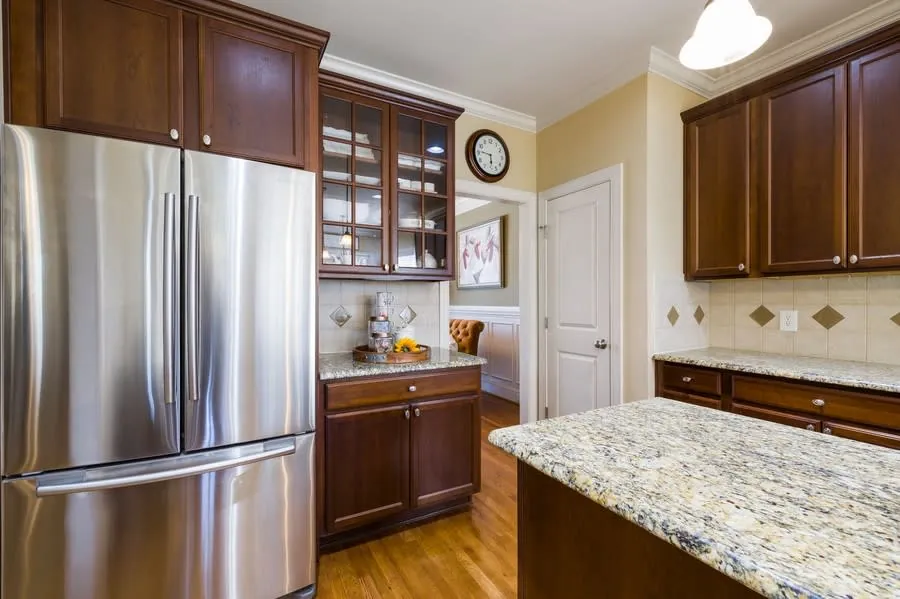
The trade calls it refacing. Every door and drawer front comes off, new ones go on, and the boxes - the carcasses - stay exactly where they are. Because nearly all units made since the 1990s use the same 35mm hinge cup and a small set of standard sizes, made-to-measure doors from a trade supplier arrive pre-drilled and hang in minutes each. Our kitchen installation team can usually strip and re-hang a whole kitchen in a day.
Done properly, the swap goes further than doors. New handles, new plinths and end panels to match, and often a new worktop, which does more for the finished look than the doors themselves and only adds a few hundred pounds. Sink, taps, tiling and appliances all stay put, which is exactly why the job is cheap: no plumber, no electrician, no plastering, no skip.
What you cannot change is the layout. The units stay where they stand, so if your complaint is where things are rather than how they look, no door in any colour fixes that.
What a Full Replacement Involves - and Why It Costs What It Costs
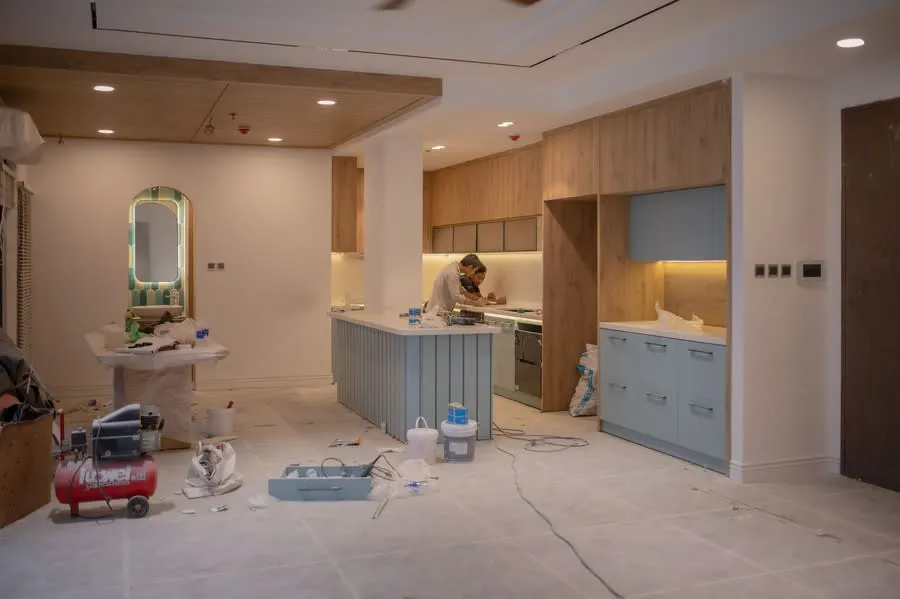
A full refit is a small building project wearing a kitchen costume. Rip-out and disposal, first-fix plumbing and electrics moved to suit the new layout, walls made good, units built and levelled, worktops templated and fitted, tiling, second-fix, flooring. Even without moving a single wall, that is two to three weeks with several trades passing through, which is where the money goes. Materials are often less than half the bill.
The payoff is that everything is on the table. The layout that never worked, the sink under the dark corner, the missing socket where the kettle lives, the boiler cupboard eating a whole run - all of it gets designed out rather than papered over. If you want the full picture on where the budget goes, our 2026 guide to what a new kitchen costs in Liverpool breaks the numbers down line by line.
The Numbers Side by Side
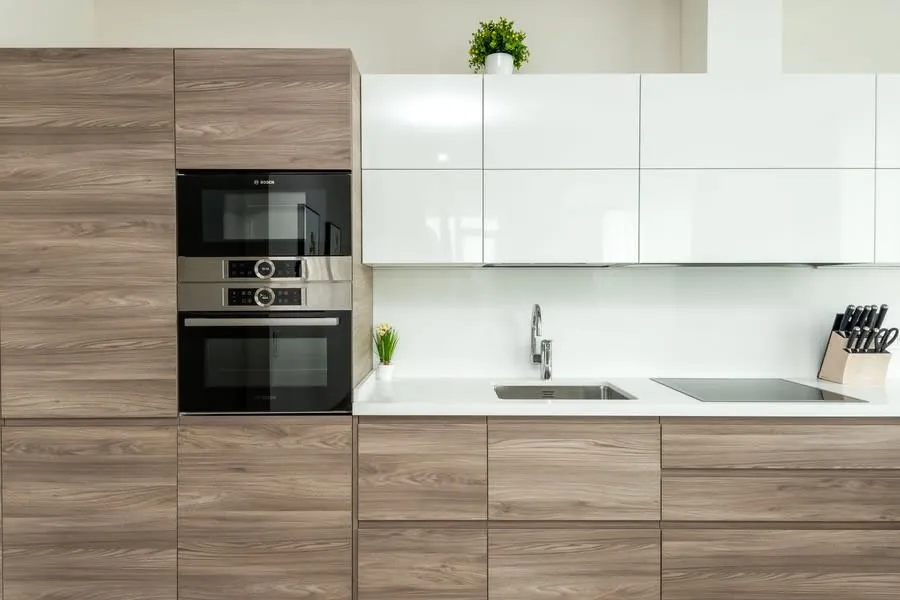
Indicative Liverpool figures, based on the jobs we see:
- Doors and handles only: £800 to £2,000 fitted, one day on site
- Doors, handles and laminate worktops: £1,500 to £3,500 fitted, two to three days
- Professional respray of existing doors: £800 to £1,500, doors away for a few days
- Full refit, mid-range units: £8,000 to £15,000, two to three weeks
- Full refit with layout changes or structural work: £15,000 upwards
The gap is not subtle. A door-and-worktop refresh costs roughly a fifth of a modest full refit. Which? research on fitted kitchens makes the same point nationally: labour and installation are a huge share of a full kitchen’s price, and a refresh sidesteps most of it. That is also why the sums change if you were planning to pay someone for a refit anyway - the more of the job that stays, the more of the saving you keep.
When Replacement Doors Are the Right Call
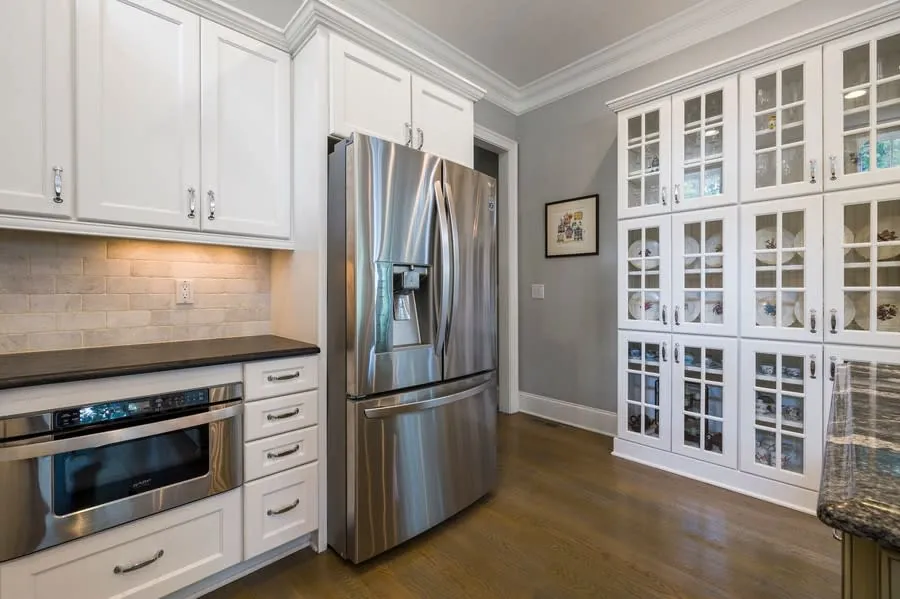
Open a base unit and look at the box, not the door. If the carcass sides are square, the shelves flat, the hinge screws tight and there is no swelling around the sink base, the kitchen has years left in it. That describes a surprising number of Liverpool kitchens - developer-fitted kitchens in city centre apartments and the 2000s estates around Croxteth and Norris Green were often built with decent carcasses and cheap foil doors, which makes them perfect refacing candidates. The boxes are fine; the faces were always the weak point.
Doors are also the right answer when the layout genuinely works. Plenty of 1930s semis in Childwall and Allerton had sensible galley layouts fitted in the 90s that still function well - the owners are just tired of looking at oak-effect cathedral arches. And if you are freshening a house to sell or let rather than to live in, spending refit money rarely comes back; a £1,500 refresh that stops buyers docking £8,000 off their offer is the best return in the whole kitchen game.
When New Doors Are a False Economy
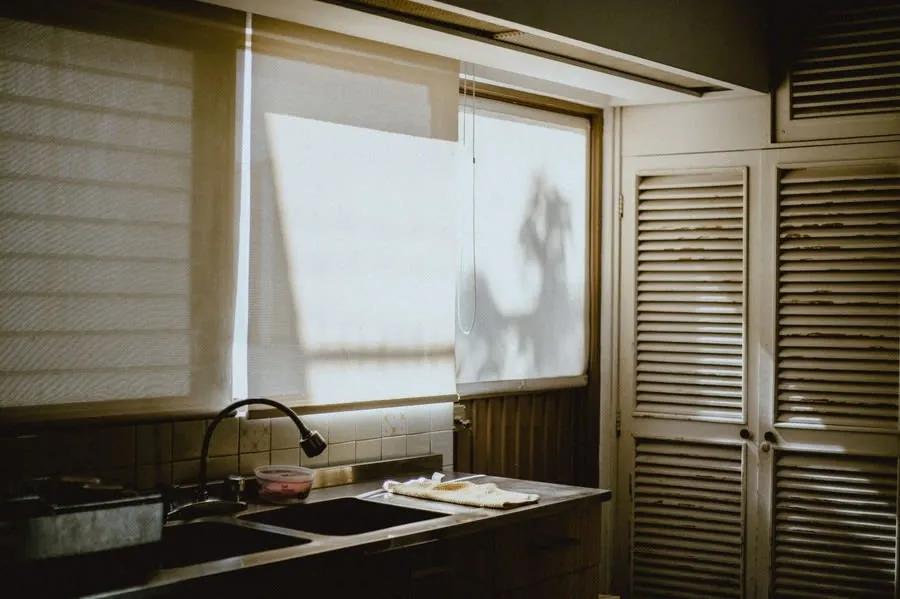
The failure mode is spending £1,800 on doors for units that fail two years later. Chipboard carcasses die from the bottom up: the sink base swells first, then the plinth line, then shelf pins start pulling through. If a unit rocks when you lean on it, or you can see the sides bowing under the worktop, new doors are cosmetics on a condemned patient.
Layout misery is the other one. If you are working around the kitchen rather than in it - the fridge in the hall, one usable run of worktop, cooking with the door closed to keep the steam in - the problem is the plan, not the panels. And in the Victorian terraces across Wavertree, Kensington and Anfield, kitchens often live in the narrow back outrigger where the only real win is rethinking the space entirely, sometimes with the wall to the old back sitting room coming out. No door swap touches any of that.
Age matters too. Pre-1990s units with non-standard hinges and imperial sizing make replacement doors a custom headache, and by that age the carcasses rarely deserve the effort anyway.
The Middle Options: Wrapping and Spraying
Two cheaper routes sit below a door swap, and they suit narrower situations than the adverts suggest.
Spraying is the better of the two. A professional sprayer takes the doors away, preps and primes them, and returns a factory-quality finish in any colour for £800 to £1,500 on an average kitchen. On solid timber or paintable MDF doors in good nick it is excellent value. On vinyl-wrapped doors it is a gamble - once wrap starts lifting at the edges, and Liverpool kitchen steam finds those edges eventually, paint will not save it.
Vinyl wrapping - applying new self-adhesive film over existing doors - is the cheapest look-changer of all, but it is only as durable as its weakest edge, and around hobs and kettles those edges cook. We see wrapped doors peeling within three or four years often enough that we rarely recommend it over a spray or a swap. If the doors are bad enough to hide, they are usually bad enough to replace.
What Liverpool’s Housing Stock Says About Your Kitchen
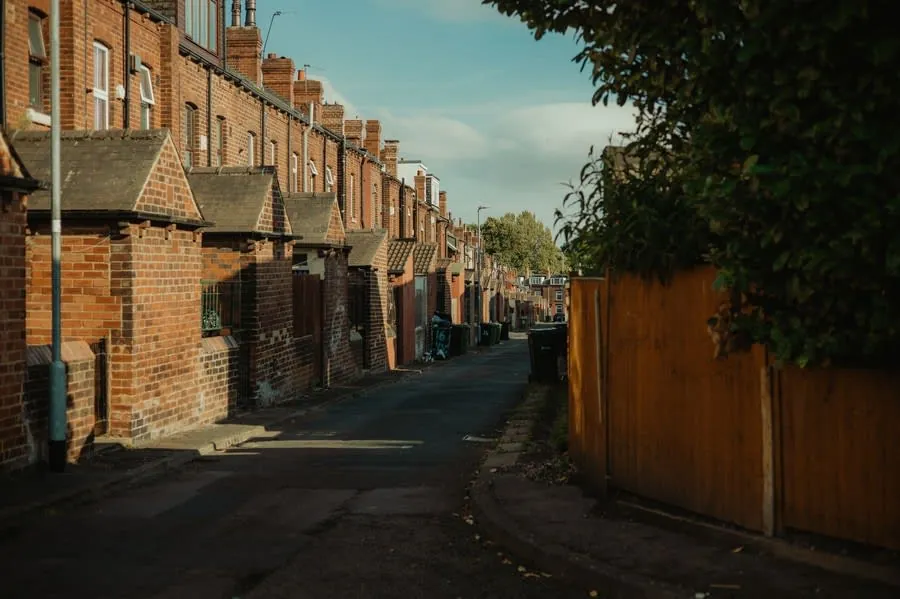
The house you are in is a decent predictor of which job you need. City centre and dockside apartments, plus the newer estates out towards Croxteth Park and Speke, tend to hold ten-to-twenty-year-old developer kitchens: sound boxes, tired fronts, layouts already reasonable because the room was designed around them. Prime refacing territory.
The interwar semi belt through Childwall, West Derby, Allerton and Mossley Hill splits down the middle. Kitchens refitted since the 90s often just need faces; kitchens still running on original or 70s-era units generally need the lot, and the room usually rewards a rethink because these houses have more space than their kitchens use.
The pre-1919 terraces are the hardest to call from the kerb. Some have had the back knocked through and refitted within the last decade and only want a refresh. Others still have a galley in the outrigger with damp-swollen bases, and there a full refit - sometimes with structural work - is the only spend that makes sense. This is where a site visit earns its keep, because the answer is in the carcasses, not the brochure.
How to Decide, and How to Buy Whichever You Pick

Boil it down to three questions. Are the carcasses sound? Does the layout work? Will you still be in the house in five years? Two or three yes answers with a tired look on top means doors. A no on carcasses or layout means the refresh is postponing a bill, not avoiding it.
Then get the same person to price both. A fitter who offers door swaps and full refits has no reason to steer you toward the dear option, whereas a showroom that only sells complete kitchens will always find a reason the doors won’t do. Whatever the job, use someone vetted - TrustMark, the government-endorsed quality scheme, and the Federation of Master Builders both list checked local firms - and get the quote itemised so you can see exactly where a door swap ends and a refit begins.
If you want that verdict on your own kitchen, we will give it to you straight, including when the answer is “keep your money and just buy doors.”
Get a free quote for doors or a full kitchen in Liverpool
Frequently Asked Questions
How much do replacement kitchen doors cost in Liverpool?
As an indicative market range, made-to-measure vinyl or painted MDF doors run about £25 to £70 per door supplied, with solid timber roughly double that. A typical Liverpool kitchen has 12 to 18 doors and drawer fronts, so supply sits around £400 to £1,200, and a joiner will usually fit the lot in a day for £250 to £450. Add new handles and a fitted swap lands between £800 and £2,000, against £8,000 or more for a full mid-range refit.
Can you put new doors on any old kitchen units?
Usually, but not always. Most units made in the last 30 years use standard 35mm hinge cups and metric door sizes, so new doors go straight on. The deal-breaker is the carcass itself. If the chipboard has swollen around the sink base, shelf pins have chewed out their holes, or the backs have parted from the sides, new doors are hanging on a failing box. A fitter can tell you in ten minutes which side of that line your kitchen sits.
Is it cheaper to replace kitchen doors or respray them?
Spraying is usually cheaper if the doors are solid or foil-free MDF in good shape, at roughly £800 to £1,500 for a professional job on an average kitchen. Replacement doors cost more but fix problems paint cannot, like peeling vinyl wrap, water-blown edges and chipped corners. Vinyl-wrapped doors that are already lifting take paint badly, so once the wrap goes, replacement is normally the better spend.
Do new kitchen doors add value when selling a Liverpool house?
They add saleability more than value. A £1,500 door and worktop refresh will not move a valuation the way a £12,000 refit might, but it stops a dated kitchen knocking money off. Buyers viewing terraces in Wavertree or semis in Childwall mentally price up a kitchen they think needs ripping out, and that mental figure is nearly always higher than what a refresh actually costs you.