
27 August 2026
Kitchen Extraction In Liverpool Homes: Ducted, Recirculating, And The Wall You Haven't Got
Extraction is the part of a kitchen nobody wants to spend money on and everybody notices afterwards. Cooking alone puts something in the region of three litres of water vapour into a house every day, and that vapour has to end up somewhere - out through a duct, or on the coldest surface in the room. In Liverpool, where a large share of the housing is solid walled and built before cavity insulation existed, the coldest surface is usually the external wall behind the units or the window reveal beside the hob. Get the extraction right and a kitchen stays dry and smells of nothing an hour after dinner. Get it wrong and you are repainting a reveal every second winter and wondering why. This is how the decision actually works in the houses this city is made of.
Why Extraction Is A Bigger Deal In A Liverpool Kitchen
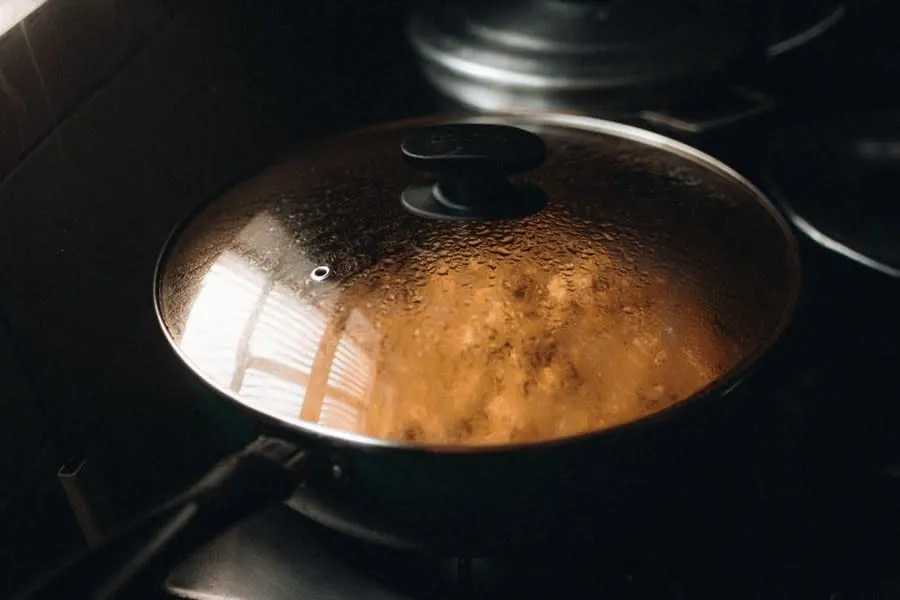
Two things stack up here. The air outside is mild and damp for much of the year thanks to the Irish Sea, so the drying potential of opening a window in November is limited. And the walls in a pre-war terrace or a 1930s semi around Allerton, Childwall or Mossley Hill hold a lot less heat than a modern cavity wall, which means bigger temperature differences between the room air and the wall surface.
Warm moist air plus a cold surface gives you condensation, and condensation in a kitchen turns into black spot mould in the corner behind the tall unit where nobody looks. It also swells the bottom edge of unit doors and lifts the seal on a laminate worktop join near the hob.
An extractor is the cheapest intervention that stops all of it, provided it removes air rather than stirring it. That is the whole distinction between the two types of hood, and it is worth settling early in the design rather than at the point of ordering. When a kitchen renovation is being planned properly, the duct route gets drawn at the same time as the unit layout, because one dictates the other.
Ducted Or Recirculating: What Each One Actually Removes
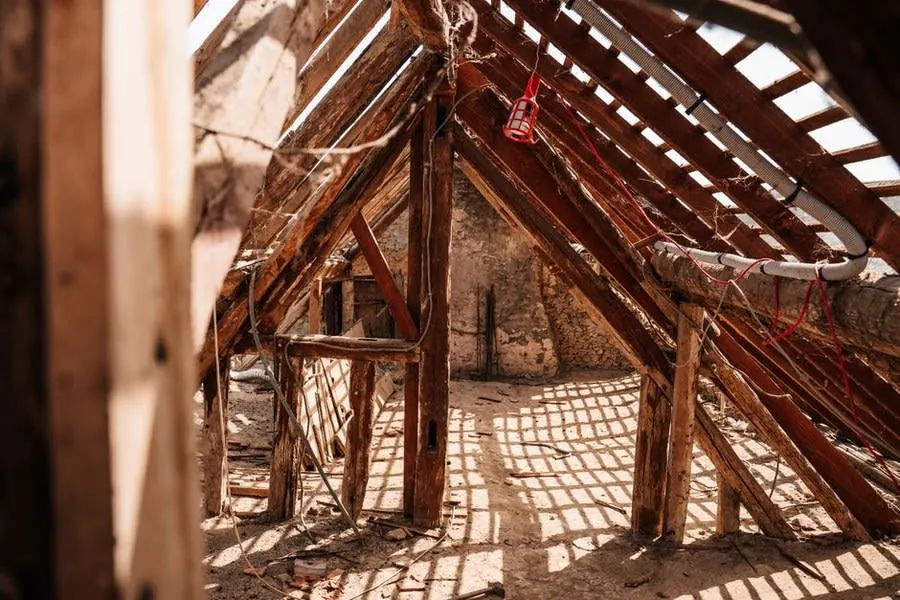
A ducted hood takes the air, pushes it along a pipe and puts it outside. Grease, smells, steam, all of it leaves the building. That is the only arrangement that deals with moisture, and moisture is the one that damages the house.
A recirculating hood pulls air through a grease filter and a carbon filter and blows it back into the room. It handles odours reasonably well when the filters are fresh. It does nothing whatsoever about humidity - every gram of water that came off the pan is still in your kitchen.
That sounds like a straightforward win for ducting, and where a route exists it is. The complication is that in thousands of Liverpool houses the hob sits against an internal wall, or on an island, or in a back kitchen that was extended into the yard decades ago and now has habitable rooms on three sides. Then the honest choice is a long compromised duct or a well specified recirculating hood, and the second one often wins.
The Duct Route Decides Everything

Before anyone chooses a hood, someone should stand at the hob position with a tape measure and work out how the air gets out. Distance and bends kill performance. A rule of thumb used across the trade is that every 90 degree bend costs you roughly the equivalent of a metre of straight duct, so a run with four tight bends behaves like a much longer pipe than it looks.
Three things make the difference between a hood that works and one that just hums. Use 150mm rigid duct rather than the flexible foil concertina that comes taped to the box, because the ribbed surface of flex creates drag and the sag between fixings collects grease. Keep the run as short and straight as the house allows. And where the duct crosses a cold loft or an unheated void, insulate it, or warm wet air will condense inside the pipe and run back down towards the hood.
In a terrace the usual routes are straight out through the rear wall behind the hood, up inside a boxed corner into the roof void and out through a soffit or tile vent, or through the ceiling void into the neighbouring external wall. In a house with a kitchen extension you will sometimes find the shortest legal route goes up and out through the flat roof, which is fine with a proper cowl but is not a job to improvise.
What The Building Regulations Ask For

The numbers come from Approved Document F. For intermittent extraction, which is what a cooker hood switched on while you cook counts as, the required rate is 30 litres per second where the extract point sits above the hob, or 60 litres per second where it does not. Continuous mechanical extract systems are covered separately at a lower running rate. The full document sits on the government’s ventilation guidance for building regulations page and the kitchen table is short enough to read on a phone.
Whether the regulations formally apply depends on the work. Swapping a hood like for like in an existing kitchen does not trigger them. Creating a kitchen where there was not one, converting a garage, or building an extension does, and then Liverpool City Council building control will want the ventilation provision shown.
There is a second half people forget. Extract only works if replacement air can get in. Modern windows with no trickle vents and a well sealed back door can leave a kitchen so airtight that a powerful hood starves itself, and in a house with an open flued gas appliance that becomes a safety question rather than a performance one. Background ventilation is part of the same design, not an afterthought.
Getting A Vent Through A Liverpool Wall
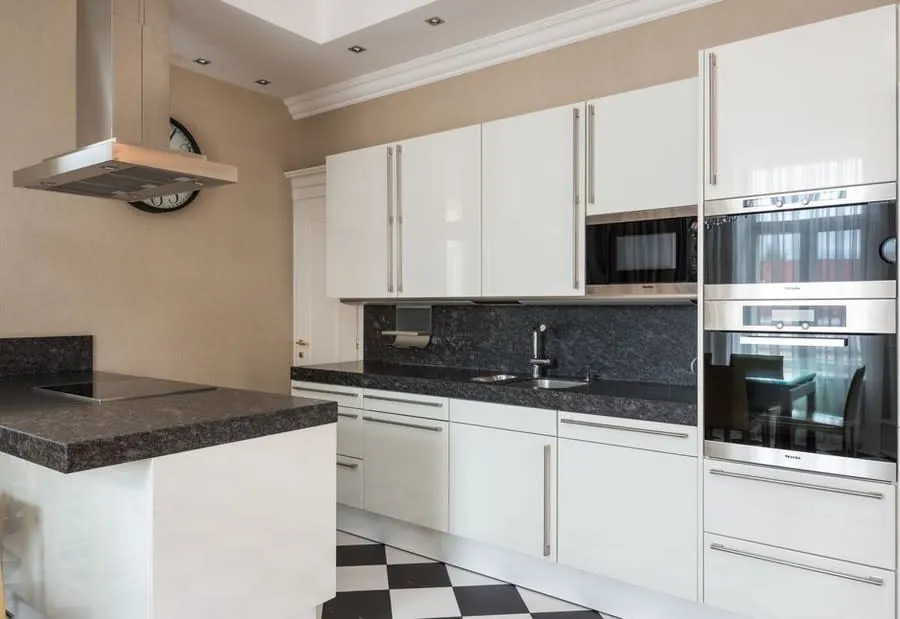
A 150mm core through nine inch solid brick is straightforward for anyone with the right kit and a dust extractor. The care goes into where it comes out. Keep it clear of windows and neighbouring doorways, put a decent external grille with a proper flap on it rather than the flimsy one in the box, and slope the core very slightly downward to the outside so driven rain runs away rather than in.
Permission is usually not an issue on a rear or side elevation of an ordinary house. It becomes one on a listed building, where listed building consent is needed for the alteration, and it can become one on a street facing elevation within a conservation area - Liverpool has a long list of them covering places like Woolton Village, Sefton Park and the Georgian streets around Canning, and the council’s conservation area information is the place to check your address before anyone drills.
Rendered and pebble dashed walls, which are everywhere across Norris Green and the interwar estates, need the render made good properly around the grille. A ragged core hole in render is the fastest way to get water tracking into a wall you have just spent money keeping dry.
Reading The Airflow And Noise Numbers
Manufacturers quote extraction in cubic metres per hour. The regulations use litres per second. That is where the confusion starts. Divide the m³/h figure by 3.6 to get litres per second. A hood advertised at 600 m³/h is quoting around 167 l/s, comfortably above the 30 l/s requirement on paper.
The catch is that headline figures are measured at maximum speed with no ducting attached. Real installed performance after six metres and a few bends can be less than half of it, and nobody runs a hood on boost all evening because of the noise. Look for the figure at normal speed if it is published, and treat the boost number as a marketing headline.
Noise is quoted in decibels and it is the reason expensive hoods get used and cheap ones do not. Anything much above 65dB at full speed will be switched off before it has cleared the room. If you want quiet and you have the space, an external or remote motor mounted in the loft or on the outside wall moves the noise out of the kitchen entirely, and it is the single best upgrade in this whole category.
Recirculating, Done Properly

If the route genuinely is not there, specify the recirculating version properly and it will perform far better than its reputation suggests.
Buy the manufacturer’s own carbon filters rather than generic pads, since the surface area varies enormously. Change them every three to six months. Vent the outlet somewhere sensible - through the top of the tall unit or a plinth grille rather than straight back at the ceiling above the hob, which just re-circulates the same warm air over your head. Downdraft and venting hob units that recirculate need the same discipline, plus space in the base unit that the layout has to allow for.
Then deal with the humidity another way, because the hood will not. A humidistat controlled extract fan in the kitchen, or a decent one in the utility if the washing dries in there, does the job the hood cannot. Damp travels through a house, and the kitchen is usually where it is generated even when it appears somewhere else.
What Extraction Costs Fitted In Liverpool
Rough figures for a standard refit. A decent 60cm or 90cm wall hood ducted through an adjacent external wall, including rigid duct, core drilling, external grille and making good, generally lands between £350 and £700 fitted on top of the hood price. A longer run into a roof void with insulation and a tile vent pushes that towards £600 to £1,000 because of the time in the loft and the roof work.
Remote or external motors add £250 to £600 depending on the unit and the mounting. Island extractors are the expensive case, because the duct has to go up through the ceiling and across a joisted floor void, and joists that run the wrong way can turn a simple idea into a plasterboard repair. Recirculating installations are the cheapest at £120 to £300 of fitting on top of the appliance, with the filters as an ongoing cost.
Whichever way it goes, get it itemised rather than buried in a single figure. If you are still weighing up prices from different fitters, the walkthrough on comparing three kitchen quotes covers exactly where lines like ducting and making good tend to go missing.
Frequently Asked Questions
Is a ducted or recirculating cooker hood better for a Liverpool terrace?
Ducted is better whenever a short route to an outside wall exists, because it removes the moisture from the house instead of putting it back. In a mid terrace where the hob sits on an internal wall, a ducted run can mean six metres of pipe and four bends, at which point the airflow left at the end is often worse than a good recirculating hood with fresh carbon filters. Decide by measuring the route first, not by picking the hood first.
What extraction rate do the building regulations ask for in a kitchen?
Approved Document F sets an intermittent extract rate of 30 litres per second for a fan or hood positioned over the hob, or 60 litres per second where the extract point is somewhere else in the kitchen. Continuous mechanical extract is treated separately with a lower minimum rate. Those figures apply to new kitchens and to work that creates a new kitchen, and they are worth designing to even where the job does not strictly trigger them.
Do I need planning permission for a kitchen extractor vent in Liverpool?
For most houses, a small extract vent through a side or rear wall is permitted development and needs no application. It gets more involved on a listed building, where listed building consent is required, and on the front elevation of a property inside one of Liverpool’s conservation areas, where the council may take a view on anything visible from the street. Check with Liverpool City Council before drilling if either applies to your address.
How often do carbon filters need changing in a recirculating hood?
Every three to six months in a household that cooks most days, and closer to three if you fry or wok cook regularly. A saturated carbon filter stops absorbing odours entirely and also chokes the airflow, which is why so many recirculating hoods get written off as useless when they are simply overdue. Budget roughly £25 to £60 a set and put a reminder in your phone, because nothing in the kitchen will remind you.