
29 July 2026
How Much Does a Media Wall Cost in Liverpool? (2026 Price Guide)
A media wall has quietly become one of the most requested living room jobs in Liverpool, and the first question is almost always the same: what does it actually cost? The honest answer is a range. Most of the walls we see fitted across the city land somewhere between £1,800 and £5,500, and that spread is not markup for the sake of it. It reflects real differences in the size of the wall, whether there is an electric fire, how much storage goes in, and the finish on the face. A panelled wall with a recessed TV sits near the bottom of that range. Add a fire, LED lighting and cupboards and you are into the middle. This guide breaks the price down component by component so you can read a quote properly rather than staring at one lump figure.
What Does a Media Wall Cost in Liverpool?
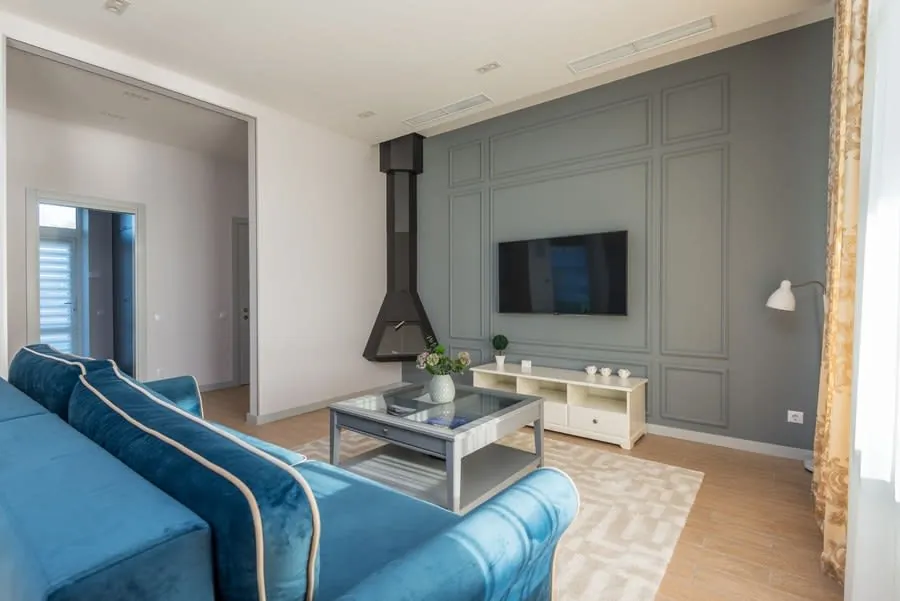
The quick version, and the figures our own media walls service is priced around: a straightforward panelled wall with a recessed TV starts at roughly £1,800 to £2,500. Add an inset electric fire, LED lighting and some closed storage and the typical job lands between £3,000 and £4,500. Large walls, full-height cupboards or stone-effect cladding push past £5,500. Those are Liverpool prices for a proper built-from-scratch wall, not a flat-pack unit screwed to plasterboard.
What you are really paying for is a timber frame fixed back to the wall, boarded and finished to match the room, with the TV sat flush in a recess and every cable hidden inside. The reason two media walls of the same width can be £2,000 apart is what goes into them. A wall with a fire, three cupboards and lit shelving is a different job from a plain panelled face with a TV cutout, even if they look similar in a photo. That is why a fixed figure quoted before anyone has seen your room is usually a guess that gets corrected later.
The Cost Broken Down by Component
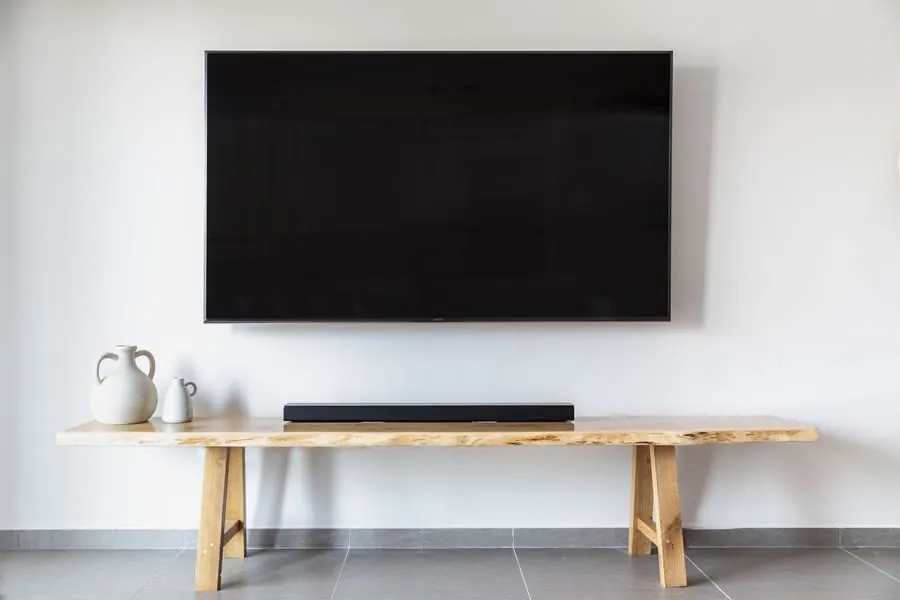
Here is where the money actually goes. These are realistic per-component ranges for a Liverpool build, and they stack up to the tier prices above:
- Frame and boarding (timber frame, plasterboard or MDF, fixings): £400 - £900. This is the backbone of the wall and the biggest single labour item.
- TV recess ply-lining: £120 - £300. A sheet of plywood behind the recess so the bracket screws into solid timber, not board.
- Electrics (new double socket, fused spur, first fix, certificate): £350 - £700. Covered in more detail below, and not optional.
- Inset electric fire unit: £300 - £1,200. The fire itself, and this is where budgets swing most. A basic insert is a few hundred pounds; a wide landscape flame effect is well over a thousand.
- LED lighting: £150 - £450. Strips to shelves, niches or the wall perimeter, wired to a switch or remote.
- Storage (floating shelves, closed cupboards, drawers): £250 - £1,500. A couple of floating shelves is cheap; a run of soft-close cupboards is not.
- Painting and finishing (skim, panelling, filling, decoration): £300 - £900. Slatted or shaker panelling costs more than a plain skimmed face.
Add the bottom of each range and you are around the £1,800 mark for a simple wall. Add the fire, the lighting and a couple of cupboards and you are comfortably into the £3,000 to £4,500 band. It is a set of stacking choices, not one fixed price.
Plasterboard vs a Ply-Lined TV Recess
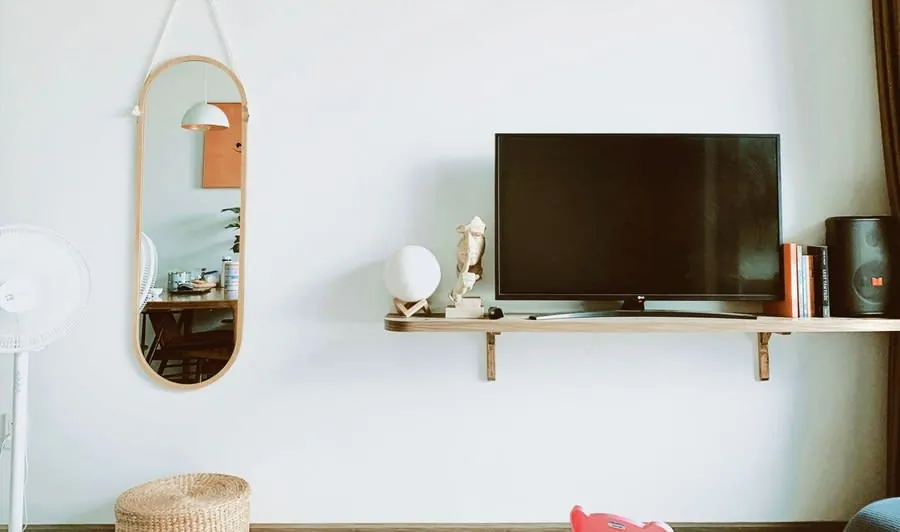
This is the detail that separates a wall that lasts from one that does not, and it barely shows in the finished photo. A big screen wants a solid fixing. Plasterboard on its own will not hold a 65 or 75 inch TV bracket for long. The fixings work loose under the weight and the leverage, and because the bracket is buried inside a fitted wall, sorting it out later means opening the whole face back up.
The right way is to line the TV recess with plywood fixed back to the studwork or masonry, so the bracket bolts into timber rather than board. It adds maybe £120 to £300 to the job and it is the difference between a screen that sits rock solid and one that slowly tilts. When you read a quote, this is worth asking about directly. If nobody mentions the recess build, assume it is bare plasterboard and press the point before you commit.
Why the Electrics Are Notifiable Work
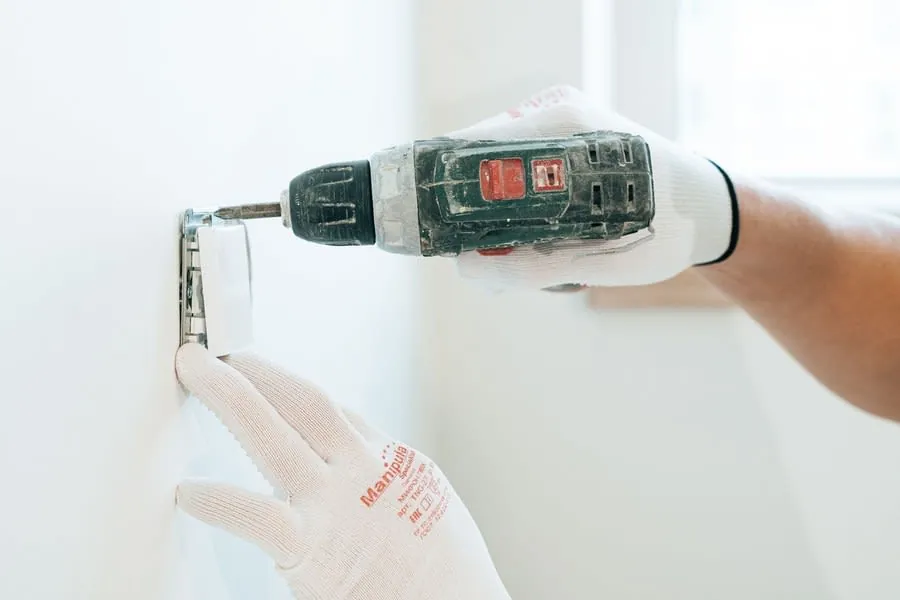
A media wall nearly always needs new power. You want a socket behind the TV, a fused spur for the electric fire, and usually a supply for the LED lighting. That is not a job for extension leads hidden behind the boarding, and it is not a legal grey area either. New circuits and additions like these fall under Part P of the Building Regulations, which means the work is notifiable and should be done or signed off by a qualified electrician. The details are set out clearly by Electrical Safety First on Part P.
In practice that means the electrician does the first fix and the final connections, and you get a certificate at the end. Two reasons this matters. First, a fire spurred off a dodgy connection buried inside a sealed wall is exactly the sort of hidden fault you never want. Second, when you sell, a buyer’s solicitor can ask for that certificate. Skimping here saves a few hundred pounds now and can cost you far more later, so treat the electrical figure in a quote as a fixed cost, not a place to cut.
Chimney Breast vs Flat-Wall Builds in Liverpool Homes
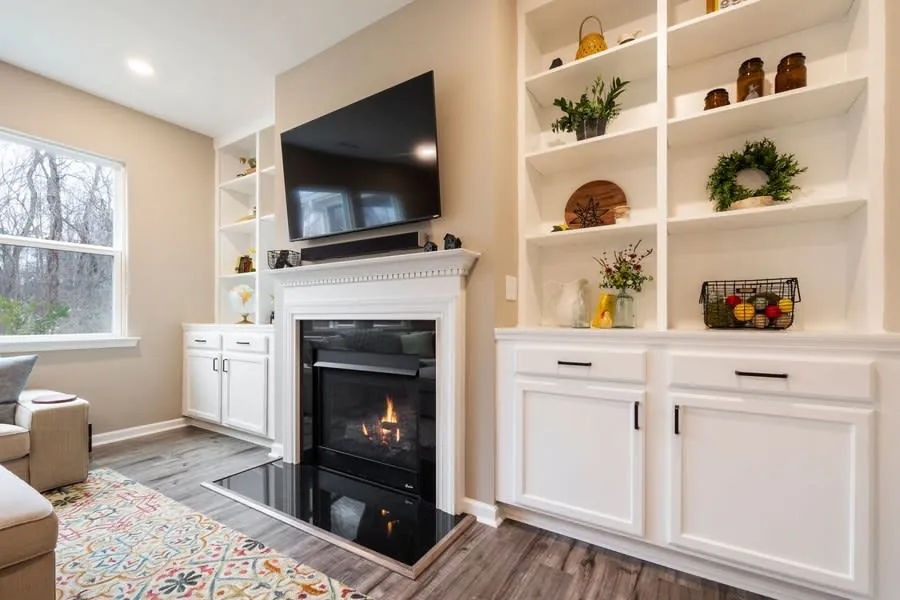
Where you live in the city changes the build. Most of Liverpool’s terraces and 1930s semis, the ones all over Allerton, Mossley Hill, Wavertree and Childwall, have a chimney breast with an alcove either side. That layout is made for a media wall. The breast takes the TV and fire, the alcoves become shelving or closed cupboards, and the whole thing reads as if it was always meant to be there. If the flue is redundant, there is sometimes scope to recess deeper into the breast itself for a properly flush finish.
A flat-wall build, more common in the newer dockside apartments and modern estates around south Liverpool, is a different exercise. There is no natural break to work with, so the frame usually spans the full wall and the design leans on panelling, lighting and cladding to give it depth. Flat walls tend to be larger, which is one reason they sit higher up the price range. Older properties bring their own quirks too. Plaster on lath, uneven walls and the odd surprise behind the skirting are normal in period Liverpool houses, and a decent fitter allows for that rather than being caught out by it. A media wall itself needs no planning permission because it is internal joinery, but if your home is listed or sits in one of the city’s designated conservation areas, it is worth checking before you touch original features like a period chimney breast.
What Pushes the Price Up or Down
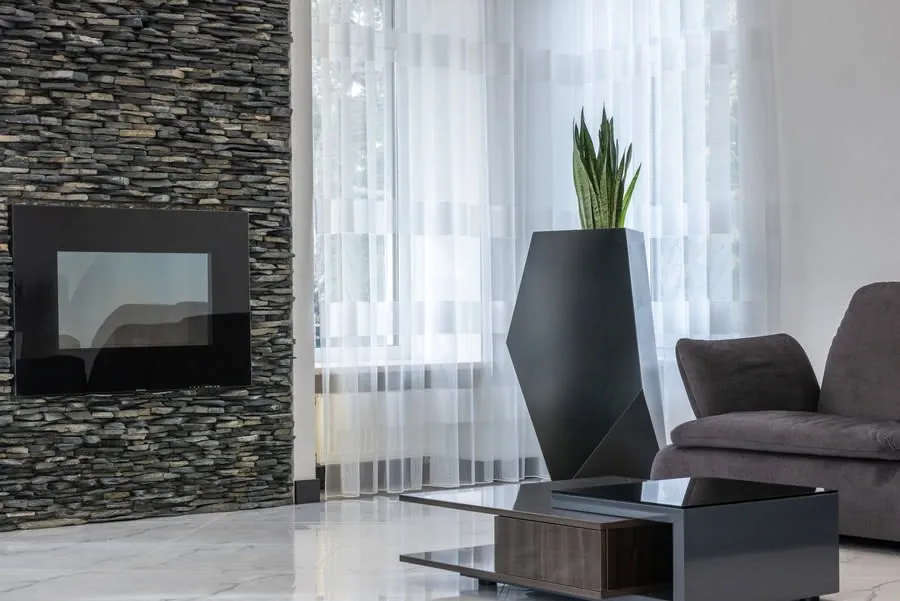
A few things move the number more than anything else. Wall size is the obvious one: a full-width wall in a through lounge uses more timber, more board and more paint than a single chimney breast. The electric fire is the next big swing, with basic inserts a few hundred pounds and wide landscape units running past a thousand on their own. Storage is the third. A couple of floating shelves is cheap, but a run of soft-close cupboards with proper carcasses is real joinery and priced accordingly.
Finish matters as well. A plain skimmed and painted face is the cheapest route. Slatted or shaker panelling costs more in materials and labour, and stone-effect or marble-effect cladding is the priciest look of the lot. If you are weighing up where storage goes, our guide to kitchen storage solutions for awkward spaces covers the same thinking that applies to alcove cupboards and hidden cabinetry in a media wall. The way to keep costs sensible is to be clear about what you actually use the living room for, then spend on the parts you will notice every day.
DIY vs a Professional: The Real Cost
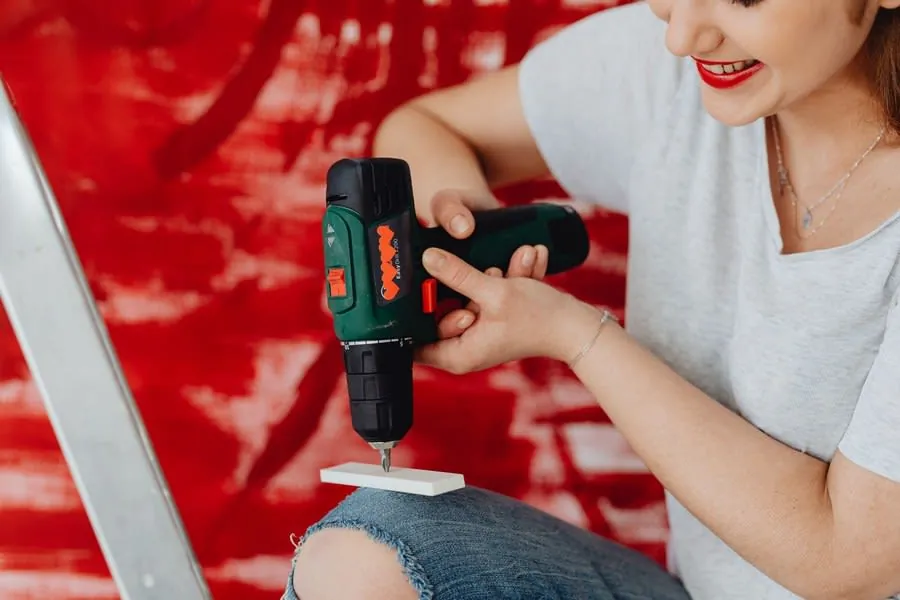
On paper, a DIY media wall looks cheap. Timber, board and a fire from a DIY shed might come to £600 or £700 in materials for a modest wall. The trouble is what that figure leaves out. You still need the electrics done properly and certified, which means paying an electrician regardless. You need the wall dead level, the recess strong enough, the fire clearances right, and the finish smooth enough to not look homemade under the LED strips that show up every flaw.
The most common outcome we get called to is a half-finished wall where the framing is out of true, the fire has nowhere ventilated to sit, or a mounted TV is slowly pulling away from the board. Putting that right often costs more than doing it once. For a plain, small wall with no fire, a confident DIYer can make a reasonable job of it. Once a fire, storage and a big screen are involved, the gap between the material cost and a finished, certified, level wall is where the professional price actually lives.
Does a Media Wall Add Value, and How to Get an Accurate Quote
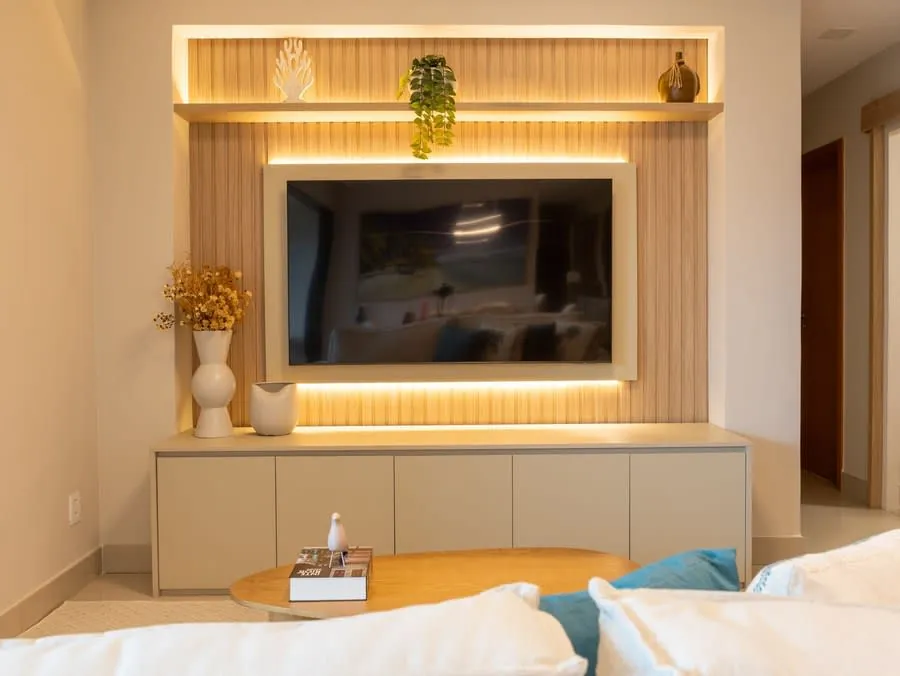
Do not expect a media wall to add a fixed sum to your home’s value. What it does is help the room show well and read as a finished, fitted feature that stays with the house. For buyers walking through a Liverpool terrace or semi, that is a plus, especially against a lounge full of mismatched furniture and trailing cables. A tidy, certified wall works in your favour. A cheap one with visible wiring works against you, so the quality of the build counts far more than simply having one.
To get a price you can trust, insist on a site visit before any figure. The fitter needs to find your studs or masonry, check where the flue and old vents run, and see where power currently enters the wall. You want a written quote that names the joinery, the electrics, the fire, the lighting, the storage and the decoration as separate lines, so you can see what you are paying for and compare like with like. A single lump-sum number quoted off a phone call is the one to be wary of. That is the version where the extras get found halfway through.
Frequently Asked Questions
How much does a media wall cost in Liverpool?
Most media walls in Liverpool land between £1,800 and £5,500. A panelled wall with a recessed TV starts around £1,800 to £2,500. Add an inset electric fire, LED lighting and closed storage and you are usually looking at £3,000 to £4,500. Large walls with stone-effect cladding or full-height cupboards run past £5,500. Every job should be priced after a site visit, not over the phone.
How long does a media wall take to build?
Most Liverpool media walls take three to five days on site. Day one is the timber frame and first-fix electrics, then boarding and finishing, with the fire, TV and lighting fitted last. Larger walls with storage runs or cladding can stretch to seven days. The schedule should be confirmed in writing before the job starts.
Do I need an electrician for a media wall?
Yes. New sockets, a fused spur for the electric fire and any hard-wired lighting are notifiable electrical work under Part P. A qualified electrician does the first fix and final connections and issues a certificate at handover. You will want that paperwork if you ever sell the house.
Does a media wall add value to a Liverpool home?
It helps more with saleability than with a measurable price jump. A neat, certified media wall reads as a fitted feature that stays with the house, which appeals to buyers viewing terraces and semis across Liverpool. A cheap, wonky one with visible cables does the opposite, so the quality of the build matters more than the fact you have one.